Understanding Employment Pathways
In the UK Creative Industries
PROFESSIONAL DEVELOPEMENT
Drew Campbell
12/28/20253 min read
Understanding Employment Pathways
in the UK Creative Industries
As I continue developing my professional identity, I’ve found it increasingly important to understand the different employment structures that exist within the UK creative industries. These frameworks shape not just how we earn money, but how we organise our time, manage risk, and sustain creative practice over the long term.
The term “creative industries” has been criticised for grouping cultural work together with technology and other sectors in ways that exaggerate economic promise while overlooking the realities of creative labour (Hesmondhalgh, 2008). This critique provides useful context when considering why many creative careers involve flexible or hybrid employment models rather than stable, long-term roles.
The most traditional model is employment as an employee. This usually involves working for a company under a contract, with a regular salary and benefits such as paid holiday, sick leave, and pension contributions. For many creatives, this offers stability and a clear structure, particularly at the start of a career. However, employed roles in creative sectors can be limited in number and may prioritise specific skill sets, sometimes leaving less room for flexibility or personal authorship.
Alongside this is self-employment, which is particularly common in media, animation, and freelance production. Many creatives begin as freelancers or sole traders, operating as individuals who take on project-based work. This model offers independence and creative control, but also places responsibility for tax, insurance, and financial planning entirely on the individual. Income can fluctuate, and there is often a blurred boundary between personal and professional life.
A more structured form of self-employment is operating through a limited company (Ltd). In this case, the company exists as a separate legal entity, which can offer financial protection and a more formal presence when working with clients or organisations. However, it also brings increased administrative workload and ongoing costs. For some creatives, this structure becomes more viable as work becomes consistent or when scaling services.
Within the UK creative economy, it’s common for practitioners to move between these models or combine them. A small creative business such as Stop4Media, for example, can function as a practical pathway from freelance work into a more established enterprise model, while still operating within the realities of project-based creative labour. This highlights how employment structures are not fixed endpoints, but tools that can evolve alongside skills, confidence, and opportunity.
Understanding these options has helped me see employability as something flexible and self-directed, rather than a single linear route. Making informed choices about employment structure is therefore part of developing a sustainable and realistic creative career.
References
Adobe Express (2025). Creative Currency: Discovering Freelancer Rates - Adobe. [online] Adobe.com. Available at: https://www.adobe.com/express/learn/blog/freelance-design-content-rates [Accessed 28 Dec. 2025].
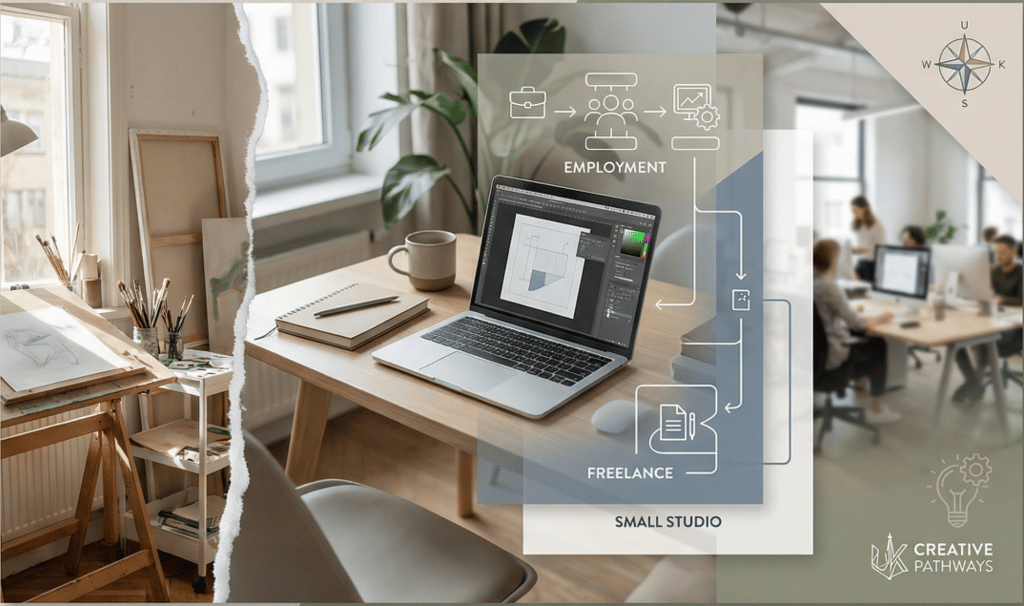
Artlist Ltd. (2026) AI-generated header image exploring employment pathways in the UK creative industries [Image]. Generated using Nano Banana (Artlist).
Fudge Animation (2019). Animation Jobs - Fudge Animation Studios. [online] Fudge Animation. Available at: https://www.fudgeanimation.com/careers [Accessed 28 Dec. 2025].
Hesmondhalgh, D. (2019). The Cultural Industries. 4th ed. London: Sage Publications Ltd.
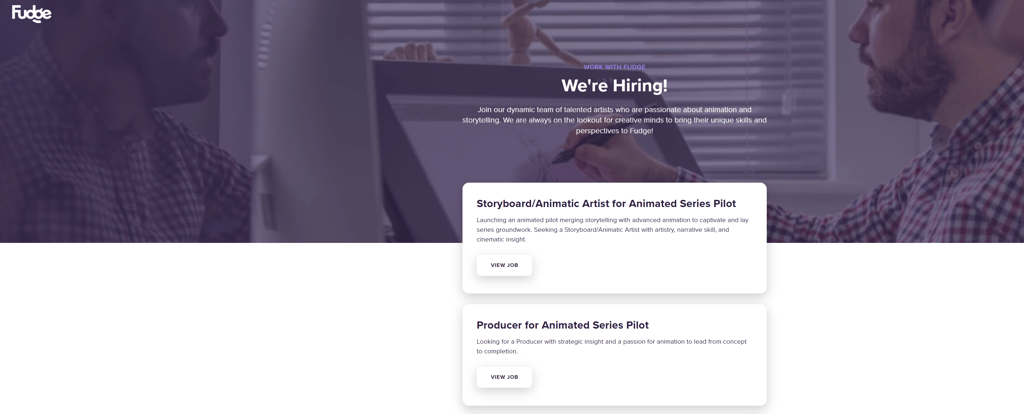
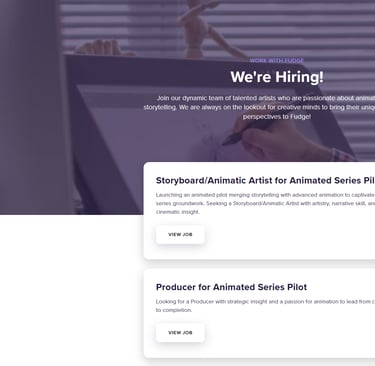


Fig. 1. AI-generated collage illustrating employment pathways in the UK creative industries. (Artlist, 2025)
Fig. 2. Fudge Animation vacencies page. (Fudge, 2025)
Fig. 3. Image from article "Beyond full-time". (Adobe Express, 2025)
Business address: Voice of Drew, Carlisle, CA2 6ER | UTR: 7259771174 Copyright Drew Campbell 2024