The Real Business of Freelance Media
15 Years of Hard-Won Lessons
PROFESSIONAL DEVELOPEMENT
Drew Campbell
11/6/20252 min read
The Real Business of Freelance Media:
15 Years of Hard-Won Lessons
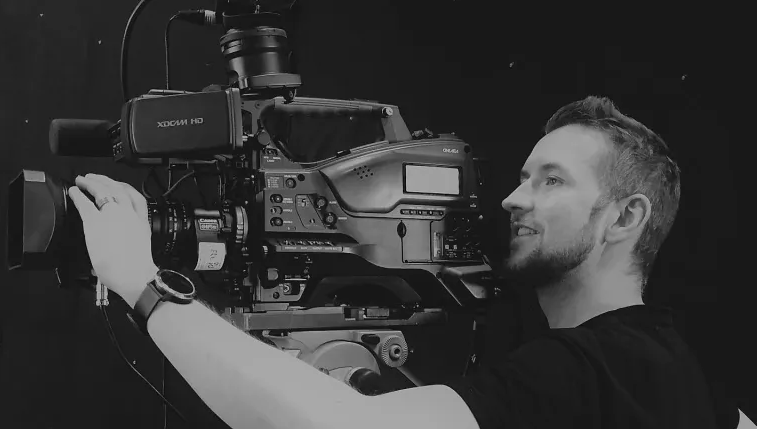
Guest insights from Craig Charters, Adventure Media alumni.
The 25/75 Rule Nobody Tells You
After 15 years running a profitable media business, here's the brutal truth: I've watched incredibly talented videographers and photographers fail—people far more skilled than me—because they thought creative ability alone would carry them.
Success in this industry is 25% being good at your craft and 75% being skilled in business acumen. You need to master marketing, sales, client management, and financial planning just as much as your camera skills.
What to Actually Charge
Let's talk real numbers because undervaluing yourself kills businesses.
My current rates:
Pre-production/Planning: £350-500/day
Production (shooting): £1,500/day
Post-production: Similar rates
Never do half-days or hourly rates. Even a one-hour shoot consumes your entire day with prep, travel, setup, breakdown, and data management.
Extended hours? Charge time and a half for 7.5- to 10-hour days, double time for all hours beyond that.
The Sobering Math
From every £1,000 profit after expenses:
40% income tax
10% National Insurance
15% student loan repayments
7% pension contributions
You keep roughly £272.50 from every £1,000 earned. This is why proper pricing matters.
His pragmatic ‘work smart, not perfect’ philosophy also resonated deeply. The ‘80/20 rule’, which involves spending 20% of time to achieve 80% quality, captures the balance between creative pride and commercial pragmatism (Charters, 2024). In short-lifespan commercial content, perfectionism is counterproductive; efficiency and deliverability matter most. This approach encourages emerging professionals to distinguish between personal passion projects, where perfection serves artistic expression, and paid work, where time discipline and profitability must prevail. As a student preparing to enter the industry, I find this distinction both liberating and sobering.
Another significant aspect of Charters’ lecture was his integration of artificial intelligence (AI) into his workflow. By leveraging tools such as ChatGPT for scripting, 11 Labs for voiceovers, and Topaz Labs for image enhancement, he claims to have quadrupled his productivity (Charters, 2024). However, he cautions that AI does not replace skill; it amplifies it. The creative still needs to ‘know what to put in’, highlighting that technical knowledge and creative judgment remain irreplaceable. This perspective redefines AI as a professional ally rather than a threat, aligning with the University of Cumbria’s progressive stance on the transparent use of AI in coursework.
Ultimately, Charters’ guidance bridges the gap between artistic aspiration and business reality. His insistence that creatives act as ‘solution providers’ rather than mere content makers (Charters, 2024) reframes how we present our value to clients. I was particularly struck by his assertion that success depends less on owning the best equipment and more on using what you have effectively, ‘10% equipment, 90% what you do with it’. As I reflect on my own journey, I see how these lessons apply beyond media production: they emphasise resilience, professionalism, and strategic thinking. Charters’ experience demonstrates that thriving in the creative industries requires a blend of artistry, business acumen, and adaptability, a combination I aim to cultivate throughout my studies and future career.
Reference:
Charters, C. (2021). Craig Charters at Work. Facebook. Available at: https://www.facebook.com/craigcharterscinematography/photos/pb.100063643745097.-2207520000/2821960891375701/?type=3 [Accessed 13 Nov. 2025].
Charters, C. (2024). The business of running a media company [Lecture]. University of Cumbria, Carlisle, 06 November.
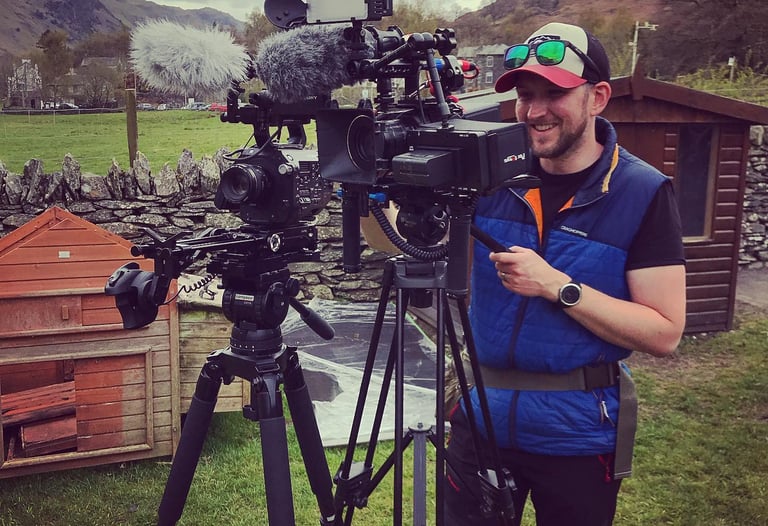
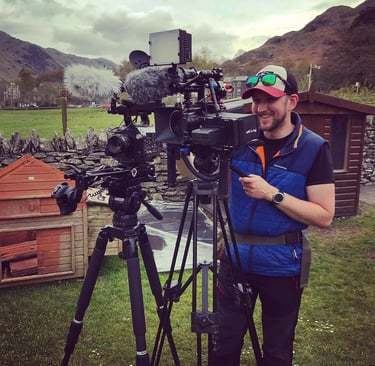
Craig Charters (Charters, 2021)
Business address: Voice of Drew, Carlisle, CA2 6ER | UTR: 7259771174 Copyright Drew Campbell 2024