
Returning to the Beginning
Finding the Core of the Idea
SCRIPT, STORYBOARD AND PREVIS
Drew Campbell
11/5/20252 min read
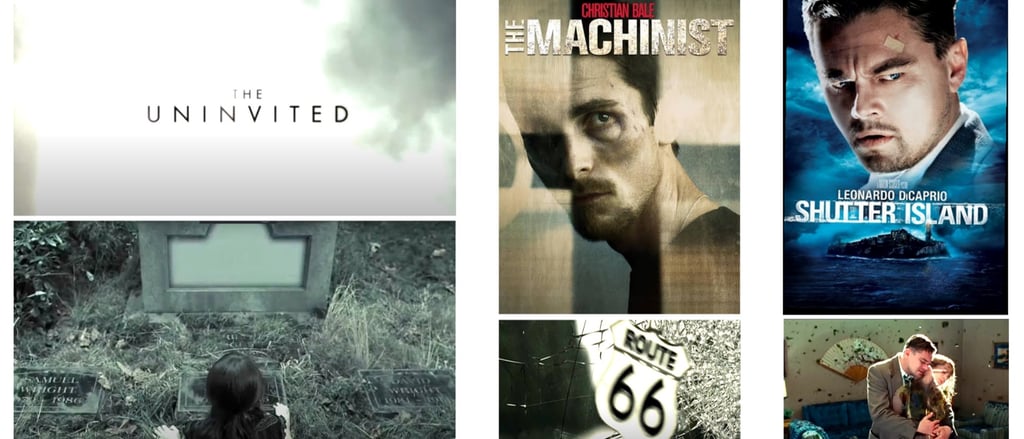

Returning to the Beginning: Finding the Core of the Idea
At this point in the project, I’ve made a conscious decision to step back and return to the very start of my story idea. Rather than pushing forward with structure for the sake of momentum, I want to make sure the foundations are genuinely solid. For a module that places so much emphasis on idea generation and narrative clarity, this feels like the most honest and productive move.
The original brief gave us a simple but loaded theme: “When I returned, nothing was the same.” Initially, I found this surprisingly difficult to engage with. My instinct was to avoid ideas that felt undeniable or overly literal, concepts like time travel, space travel, or relativistic time shifts, where the change in the world is external, provable, and unquestionable. While those ideas are valid, they didn’t excite me creatively, and more importantly, they didn’t leave much room for ambiguity.
Instead, my thinking gravitated toward a type of story I’ve always been drawn to: psychological narratives in which the sense of change is internal, unstable, and open to doubt. Films such as The Uninvited, The Machinist, and Shutter Island became clear reference points. What connects these films is not just tone or genre, but their shared interest in suppressed memory and fractured perception — characters returning to places, relationships, or versions of themselves that no longer align with what they believe to be true.
This led me to the idea of memory suppression caused by extreme trauma. In this interpretation of the theme, “nothing was the same” doesn’t mean the world has objectively changed — it implies the protagonist’s understanding of it has. The return becomes psychological rather than physical, and the tension comes from not knowing whether the world is wrong or the character is.
Looking back, this is the emotional and conceptual core I want to protect. As the project progressed into beats and structure, I realised I was at risk of shaping the story around the tools rather than letting those tools serve the original idea. Syd Field reminds us that “all drama is conflict. Without conflict, you have no action; without action, you have no character; without character, you have no story; and without story, you have no screenplay” (Field, 2005, p.196). This helped me refocus on the heart of my narrative idea.
Field’s emphasis on the essentials of drama gave me permission to step back and ensure the psychological journey of returning was genuinely rooted in conflict and transformation. This reset gives me space to reconnect with why the story interested me in the first place.
Next steps:
I want to clearly define what the trauma is doing to the character’s perception before revisiting the structure. Once that internal logic is stable, I can rebuild the beat sheet and visual development with greater confidence, ensuring that every story decision reinforces the psychological perspective rather than dilutes it.
References:
Syd Field (2005). Screenplay: The Foundations of Screenwriting. New York, N.Y.: Delta Trade Paperbacks, p.196. All drama is conflict. Without conflict, you have no action; without action, you have no character; without character, you have no story; and without story, you have no screenplay.
Business address: Voice of Drew, Carlisle, CA2 6ER | UTR: 7259771174 Copyright Drew Campbell 2024