
Production to Final Film
Building the Project
ANIMATION AND VFX CINEMATOGRAPHY
Drew Campbell
5/9/20266 min read
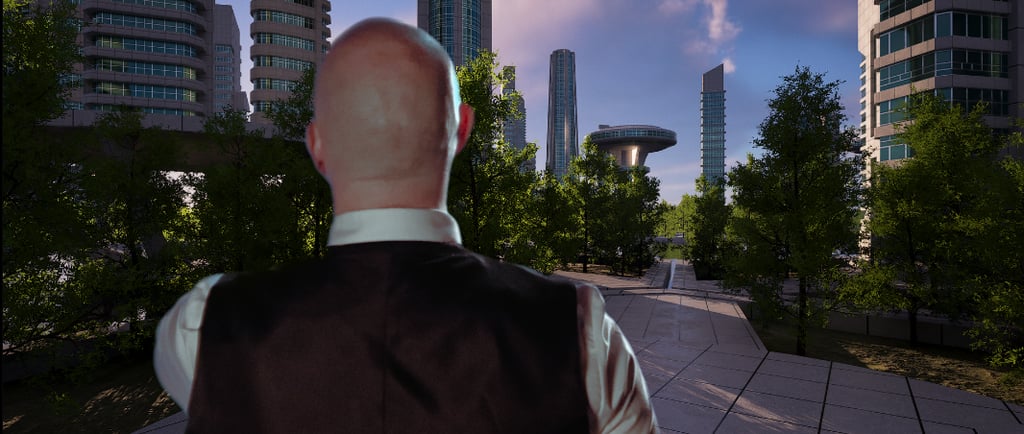
Production to Final Film
For my final project in AVFX5103 Animation and VFX Cinematography, I wanted to create a short cinematic sequence inspired by the original 1960 film The Time Machine, based on the classic novel by H. G. Wells (Wells, 1895) . The project combined live-action footage, compositing, motion graphics and Unreal Engine workflows into one connected scene. The final outcome became Forward, a short time-travel inspired VFX piece centred around a present-day inventor activating a homemade time machine on the University of Cumbria grounds.
The project became a combination of environmental storytelling, practical cinematography, compositing experimentation and digital world building, while still trying to remain achievable within the production time available.
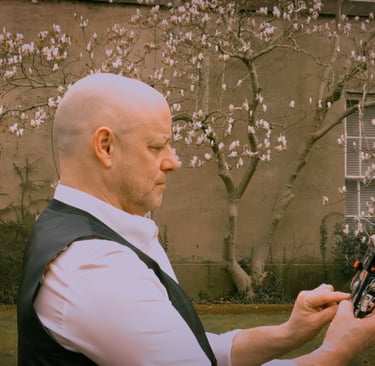
Originally, I planned to film the sequence in the main university car park, however after testing compositions and camera angles, I decided the Homeacres building created a far more suitable visual backdrop for the project. The architecture and surrounding layout felt more believable within the tone I was aiming for. I still used some additional footage from the front of the university later in the edit, but Homeacres ultimately gave the sequence a stronger visual identity.
One of the biggest advantages of filming outdoors was the natural lighting. Real shadows, reflections and environmental depth immediately helped ground the VFX work and made the compositing feel more believable. The entire project was tripod-based to support stable tracking and compositing, and I also filmed clean plates for every major shot. This became extremely important later during the visual effects process. The module itself places strong emphasis on asset acquisition, continuity and technical documentation within live-action production workflows, all of which became central to this project.
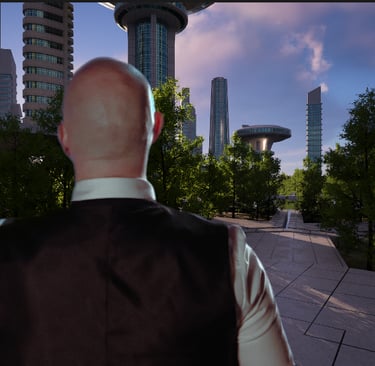
The final shot of the sequence became one of the most technically demanding parts of the production. I wanted a shot from behind the character looking out towards a futuristic version of Carlisle. Initially I filmed this practically outdoors over my shoulder while seated, however the framing simply did not work as an establishing reveal. Thankfully I had filmed far more footage than I needed, which reinforced how important coverage is during production. I later re-filmed the ending inside the TV Studio against a blue screen so I could composite the final environment properly.
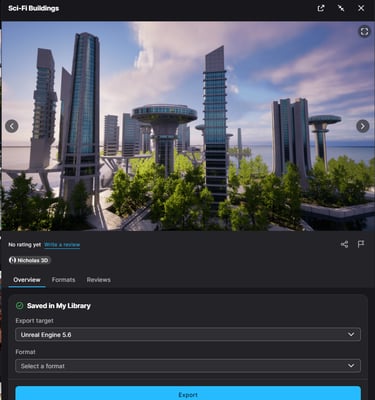
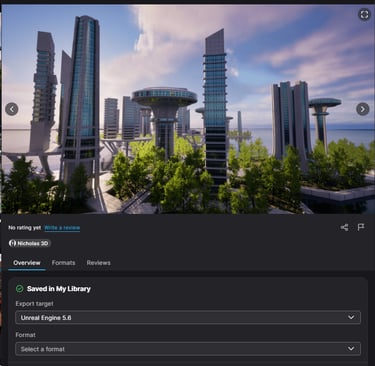
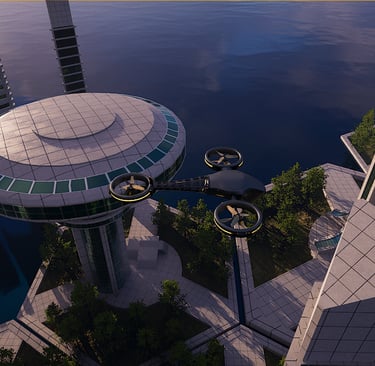
The futuristic city itself was created inside Unreal Engine 5.4 using sci-fi assets downloaded from FAB. One of the asset descriptions referenced “a green utopian future”, which immediately matched the atmosphere I was trying to create. Rather than aiming for a dystopian science-fiction look, I wanted the future to feel advanced, clean and strangely optimistic.
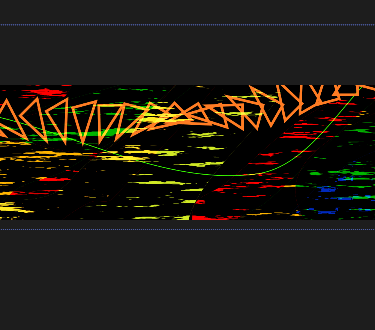
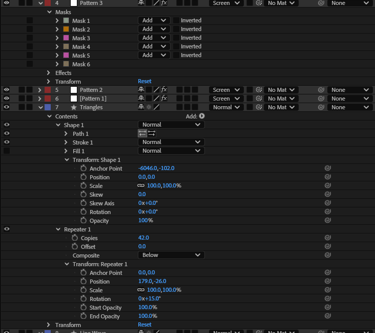
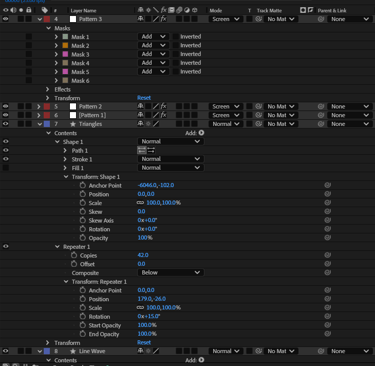
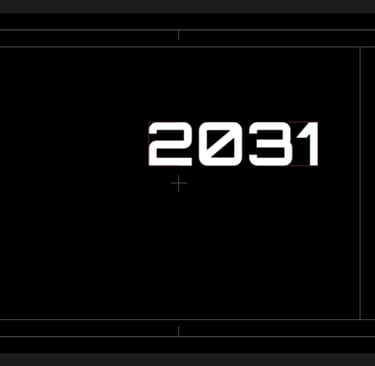
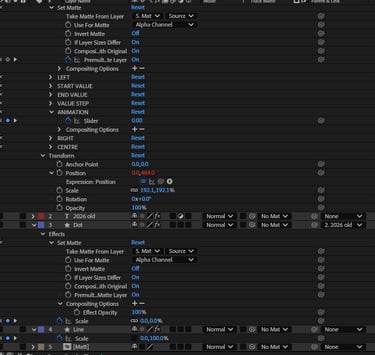
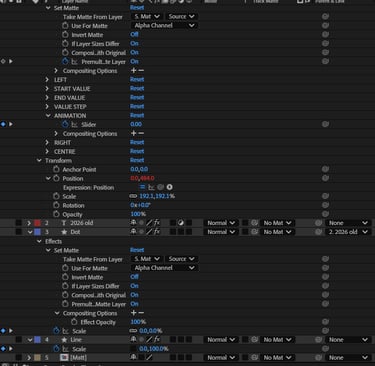
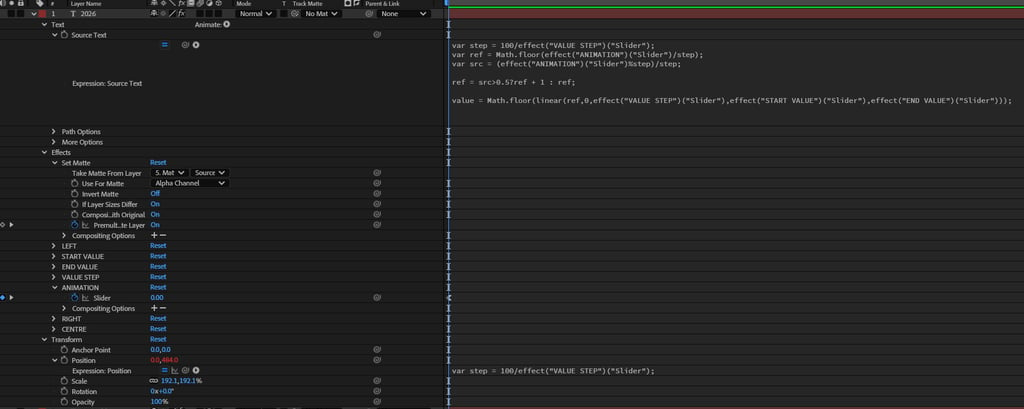
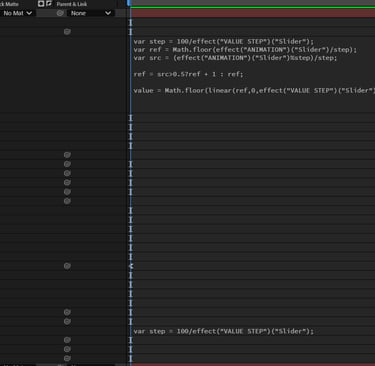
The main body of visual effects work was focused on the transition sequence itself. This was created inside After Effects using a mixture of shape layers, animated patterns, masking techniques and an effect called Line Wave. I built several separate compositions for directional movement and layered them together using Power Pin to create a stereoscopic style distortion effect. For the rapidly advancing years effect, I used expressions to automate the animation rather than manually keyframing every number.
To help develop these effects, I researched several tutorials including 2001: A Space Odyssey Visual Effects with After Effects (Marriott, 2021) and After Effects Tutorial – Dynamic Timeline Slider (Loki Disney+)(MediaWorkbench, 2021). Both tutorials were extremely useful in understanding how motion graphics and timing could help communicate the feeling of time acceleration rather than simply showing visual noise.
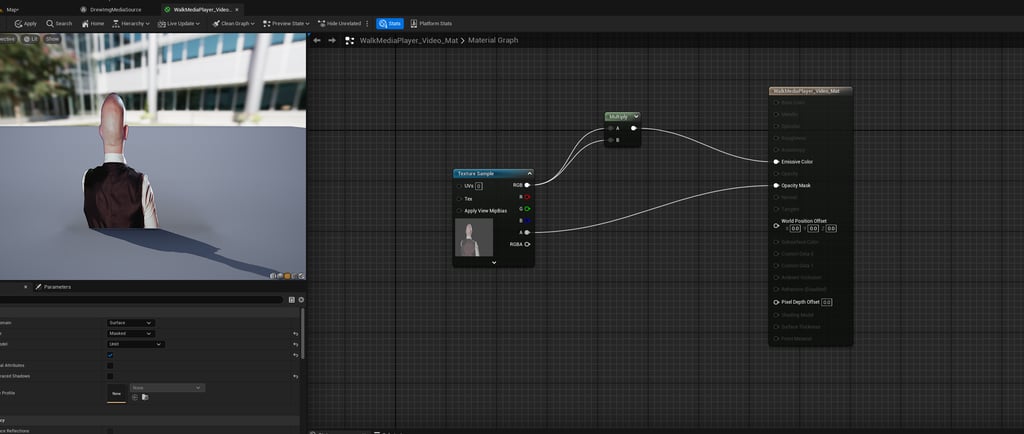
Another important production step involved rotoscoping and compositing my live-action footage. Most of the footage was rotoscoped directly in After Effects, while the final blue screen shot was keyed inside DaVinci Resolve before being exported as an EXR image sequence. Inside Unreal Engine, I imported the sequence through a Media Source and Media Player workflow, then projected the footage onto a plane within the 3D environment. This allowed me to integrate the live-action character directly into the futuristic scene while maintaining control over lighting and camera composition.
I also experimented heavily with colour and lighting effects throughout the transition sequence to create the impression that the device itself was generating reflected light across the character and environment. Small details like this helped the effect feel more physically connected to the scene rather than simply layered on top.
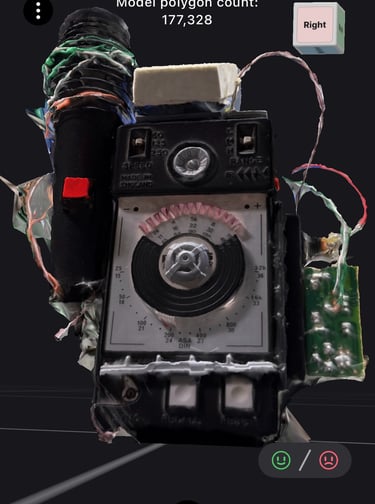
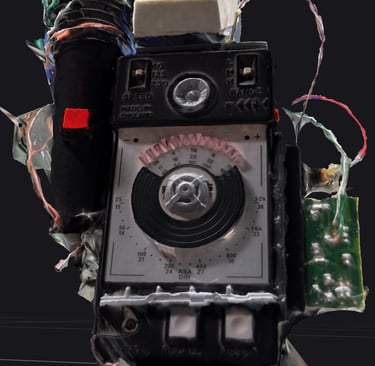
An additional element that I have not discussed much previously was the use of photogrammetry. I 3D scanned the time device itself using RealityScan on my iPhone and integrated the asset into the VFX sequence. This connected directly back to many of the asset acquisition principles explored throughout AVFX5103, particularly around practical capture workflows and preparing real-world assets for digital production pipelines.
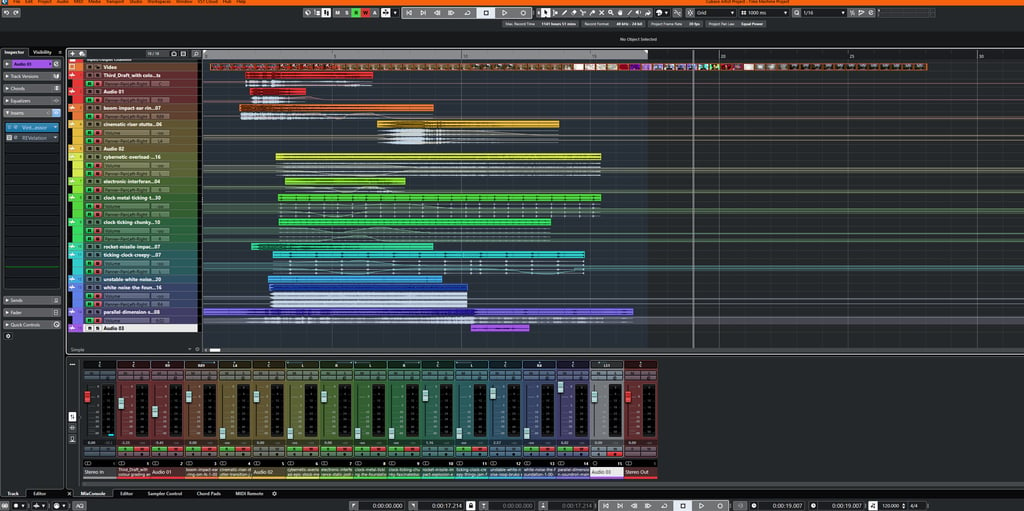
Sound design also became an important part of selling the sequence. I used a music track from Upbeat.io and edited it extensively inside Cubase 12, splitting it into sections and layering additional sound effects including ticking clocks, digital interface sounds, typing effects, whooshes and device clicks. The final addition was my own voiceover, which helped frame the project more as an experimental time-travel log rather than simply a visual montage.
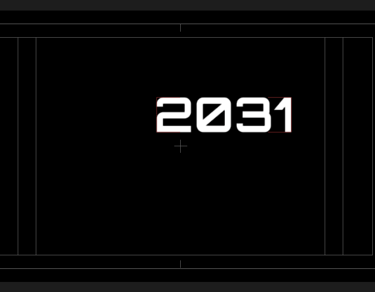
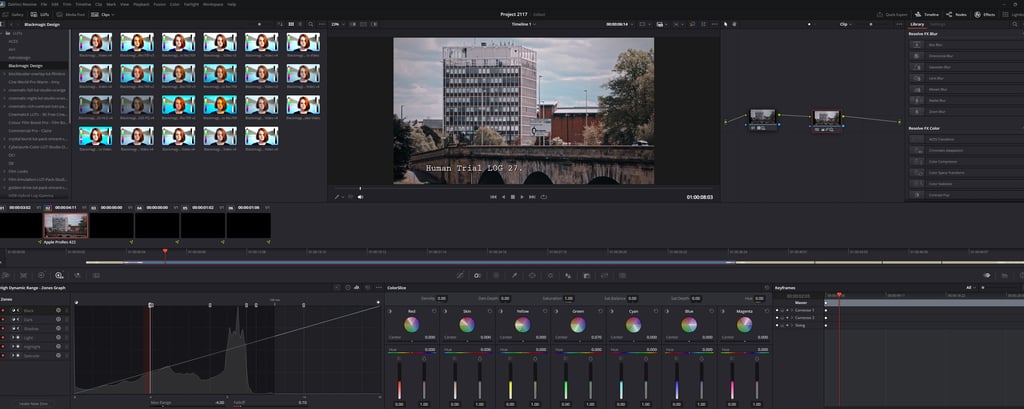
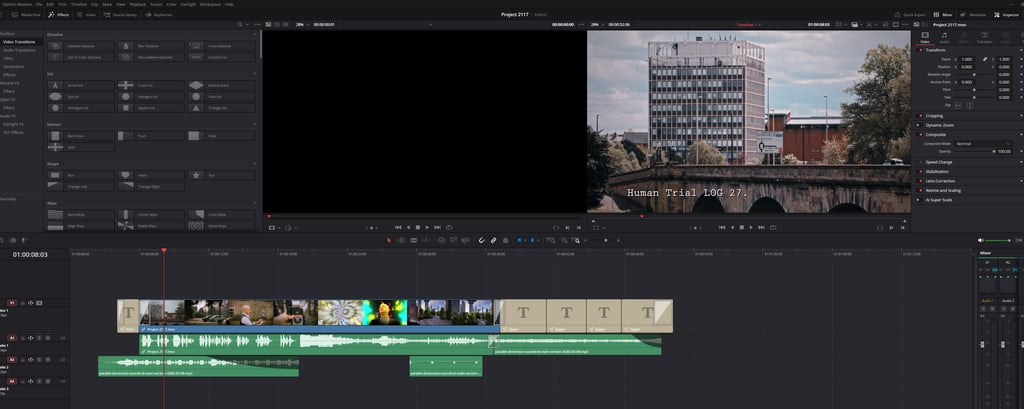
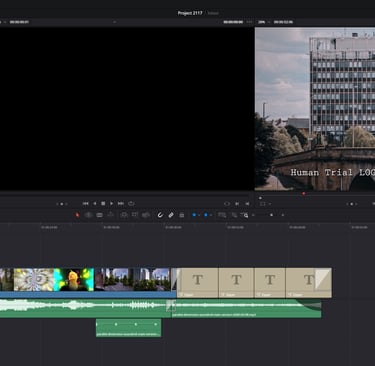
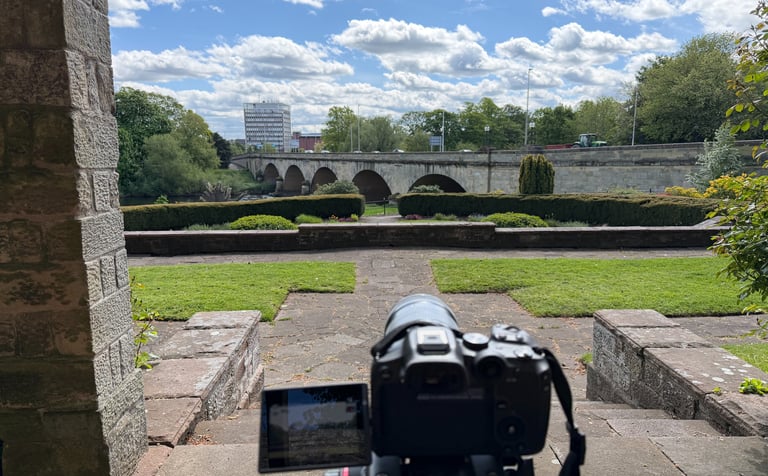
Once the sequence was assembled in After Effects, I added additional footage filmed from the Chinese Gardens in Rickerby Park looking towards Carlisle’s civic centre. This helped establish a stronger sense of location before the final reveal. I then completed the final colour grade in DaVinci Resolve and added the title Forward. I deliberately avoided a generic title such as The Time Machine, as I wanted something that reflected movement, progression and direction rather than simply describing the prop itself.
Overall, this project pushed me technically far more than I originally expected. I encountered multiple problems across keying, Unreal Engine materials, compositing workflows and render settings, but solving those issues became one of the most valuable parts of the process. More than anything, the project reinforced how important planning, technical documentation, clean asset management and production flexibility are within VFX workflows. These practical production skills sit at the centre of AVFX5103 and directly support wider animation and compositing practice.
References
Wells, H.G. (1895). The Time Machine. New York, N.Y.: Baronet Books.
Marriott, B. (2021). 2001: A Space Odyssey Visual Effects with After Effects. YouTube. Available at: https://www.youtube.com/watch?v=kaz-ACLml24 [Accessed 5 Jan. 2026].
MediaWorkbench (2021). After Effects Tutorial - Dynamic Timeline Slider (Loki Disney+). [online] YouTube. Available at: https://www.youtube.com/watch?v=crFgP3pkUOc [Accessed 1 May 2026].
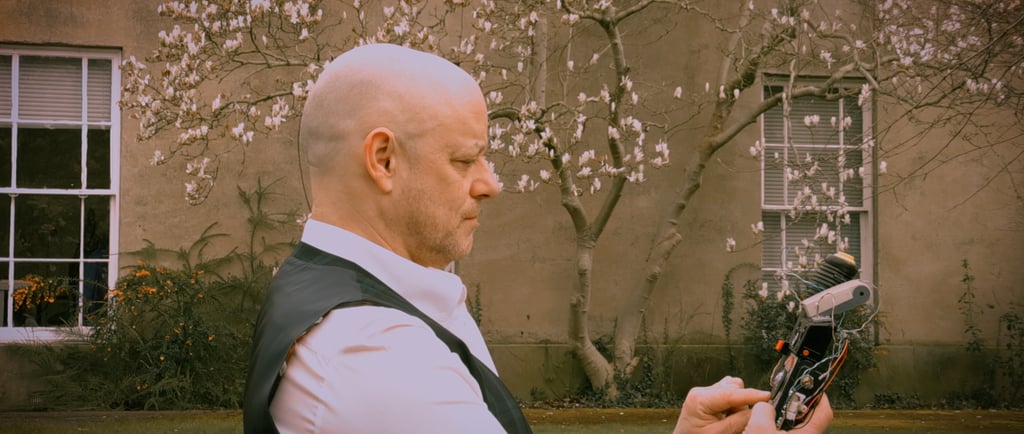


Final Production
Fig 1. Screenshot of the end sequence
Fig 2. Establishing shot outside of the Homeacres building
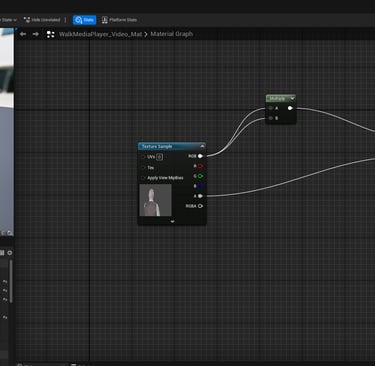
Fig 3. Unreal Engine 5.4. Media player material
Fig 4. Sci-Fi City building from the FAB library
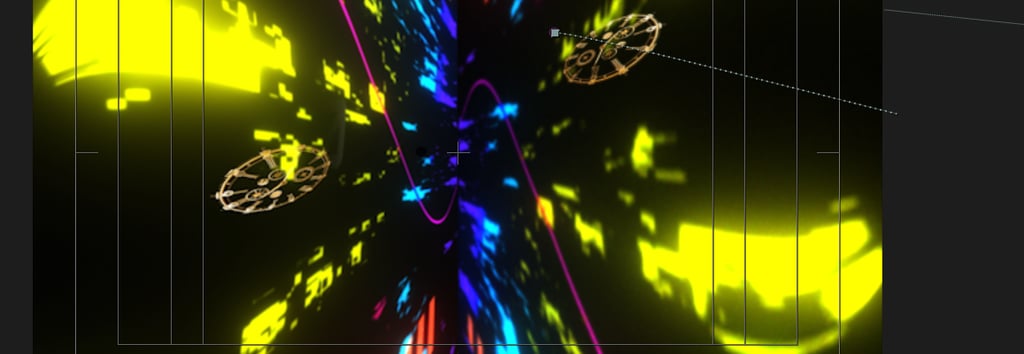
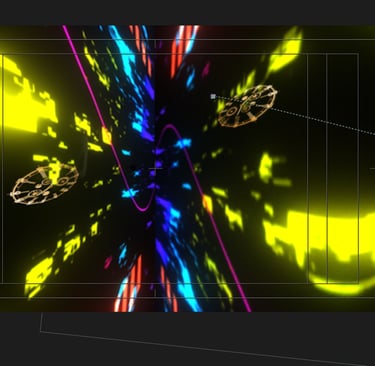
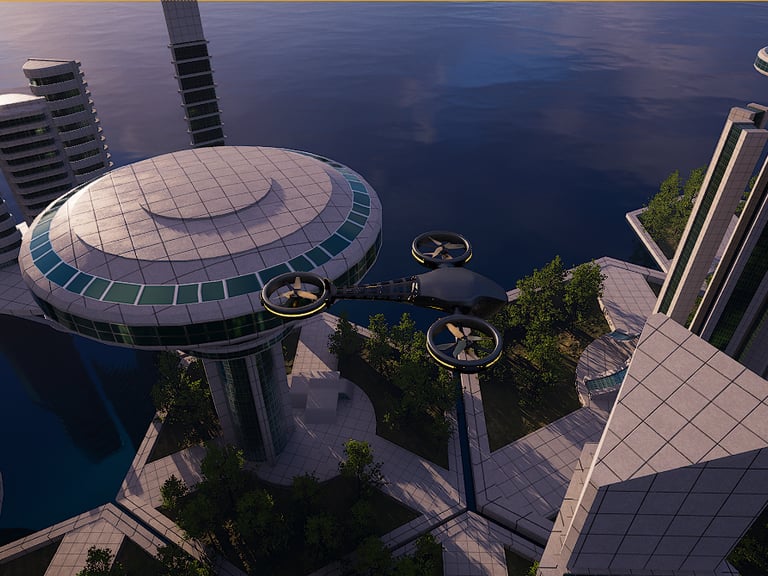
Fig 5. Sci-Fi City close up of the animated drone
Fig 6. The array of patterns created in After Effects
Fig 7. The resulting effect using CC Power Pin in After Effects
Fig 8. FX controls in After Effects
Fig 9. Rolling time sequence in After Effects
Fig 10. Time sequence controls
Fig 11. More controls using expressions in After Effects
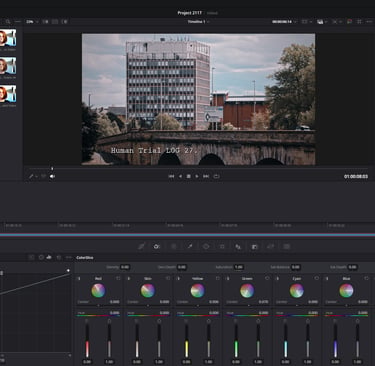
Fig 12. Colour space in Devinci Resolve
Fig 13. Addin titles in Devinci Resolve
Fig 14.Filming view from the Chinese Gardens in Rickerby Park, Carlisle
Fig 15. Reality Scan of Time Device
Fig 16. Sound track in Cubase 12
Fig 17. Finishe film "FORWARD"
Business address: Voice of Drew, Carlisle, CA2 6ER | UTR: 7259771174 Copyright Drew Campbell 2024