
Production Discipline and VFX Integration
ANIMATION AND VFX CINEMATOGRAPHY
Drew Campbell
2/18/20262 min read
Production Discipline and VFX Integration
This week’s session marked a clear transition from aesthetic exploration toward structured production discipline. The focus shifted from how a shot looks to how it functions within a visual effects pipeline. The key message was that successful VFX integration depends not on post-production correction, but on controlled capture.
A central theme was manual camera operation. Automatic exposure, ISO, and white balance introduce subtle fluctuations that may be visually acceptable in isolation but create instability during compositing. VFX workflows assume consistency; exposure drift and colour shifts undermine CG matching and integration reliability. Locking camera settings was therefore framed not as technical preference, but as professional baseline practice.
Lens choice was examined in similar terms. Wide lenses, while visually dramatic, introduce barrel distortion, edge warping, and exaggerated perspective. These characteristics complicate tracking and require distortion mapping workflows to correct. In contrast, medium focal lengths (approximately 35–85mm equivalent) provide natural perspective, minimal distortion, and more stable tracking conditions. The session emphasised that industry practice often prioritises “pipeline safety” over stylistic extremity.
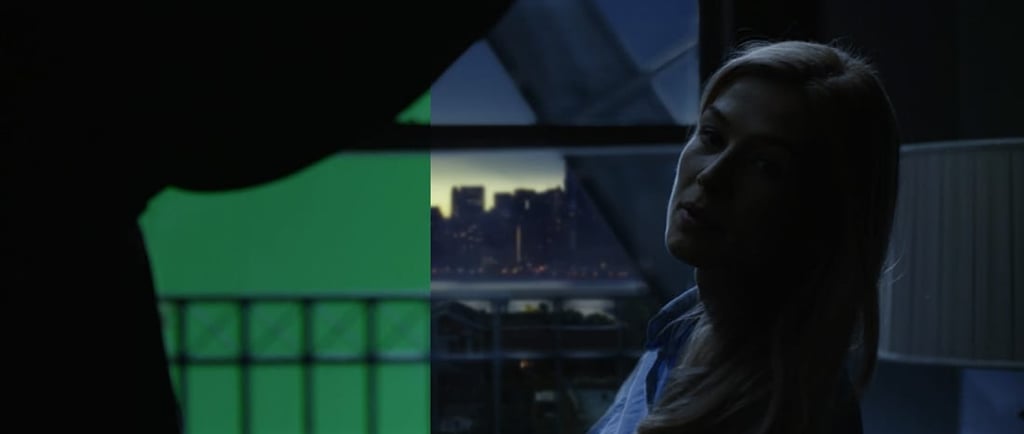
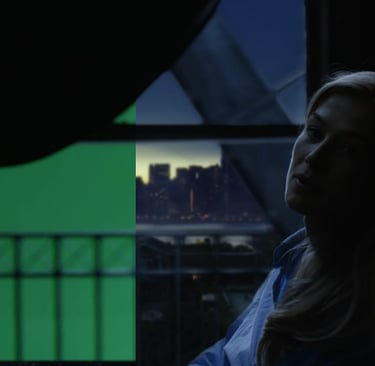
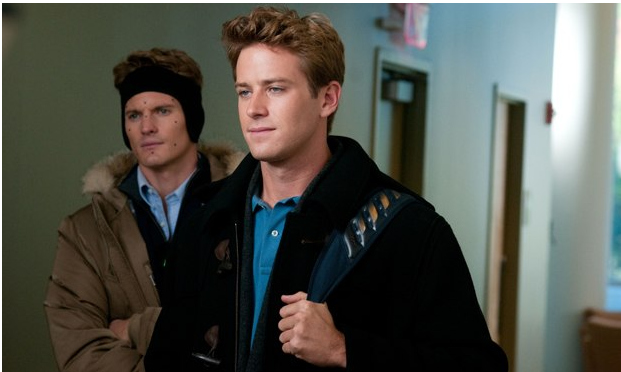
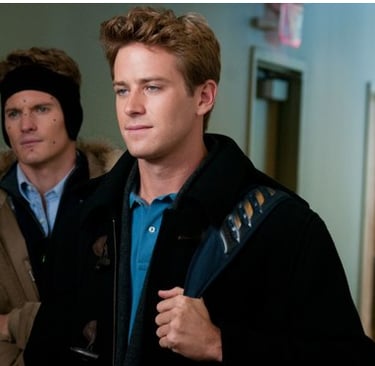
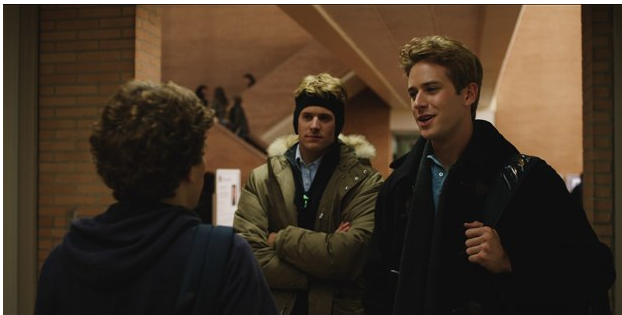
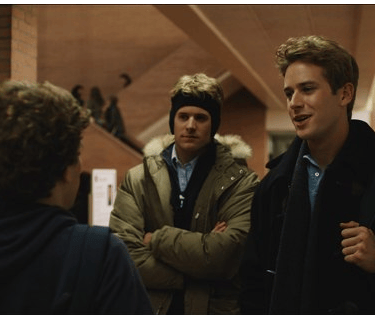
This approach is evident in films such as Gone Girl, where subtle digital set extensions integrate seamlessly due to stable framing and controlled lens use. Similarly, The Social Network relied on predictable camera setups and lighting to enable face replacement compositing for the Winklevoss twins. Even in visually dynamic productions such as Mad Max: Fury Road, distortion correction and advanced tracking workflows were essential to prevent CG elements from appearing detached. These examples reinforce that complexity in VFX is underpinned by structural control.
Parallax was revisited as a critical requirement for reliable tracking. Depth separation between foreground, midground, and background provides spatial data for a stable solve, whereas flat compositions reduce tracking accuracy. Lighting discipline followed the same logic: directional lighting with clear shadow structure improves depth readability and CG matching, while flat lighting weakens integration clarity.
Overall, the session reframed cinematography as technical preparation rather than aesthetic embellishment. VFX is not a corrective tool for inconsistent capture; it is an extension of disciplined production thinking. For my own practice, this reinforces the importance of intentional lens selection, locked exposure, consistent white balance, and deliberate depth staging. Control at the point of capture enables realism in post-production.
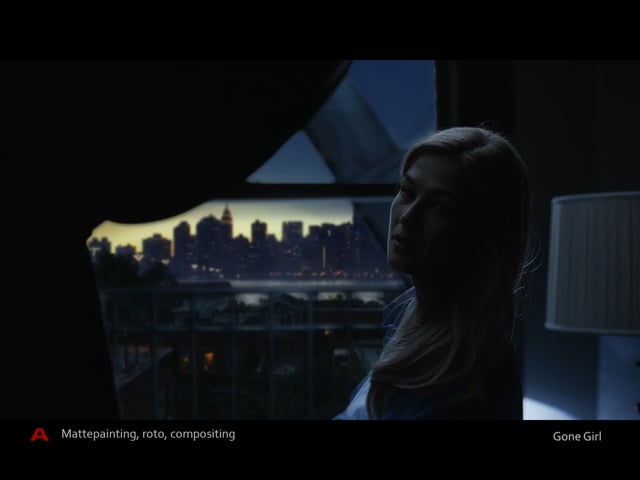
Gone Girl subtle digital set extensions (artemplehollywood, 2014)
References
artemplehollywood (2014). Gone Girl Reel. [online] Vimeo. Available at: https://vimeo.com/115019179 [Accessed 18 Feb. 2026].
Sony Pictures. (2010). The Social Network. [Online Image] AWN (Animation World Network).
WIRED (2017) Mad Max Fury Road: Choreographing Complex Stunts & Car Chases | Design FX. YouTube. Available at: https://youtu.be/nGz3b1YpiTs (Accessed: 18 Feb. 2026).

The Social Network, face tracking. (Sony Pictures., 2010)
The Social Network, result. (Sony Pictures., 2010)
Mad Max Fury Road. SFX production (WIRED, 2017)
Business address: Voice of Drew, Carlisle, CA2 6ER | UTR: 7259771174 Copyright Drew Campbell 2024