Learning Visual Storytelling
Comic and Storyboard Artist Neil Edwards
SHOT TO SCREEN
Drew Campbell
3/10/20265 min read
Learning Visual Storytelling from Comic and Storyboard Artist Neil Edwards
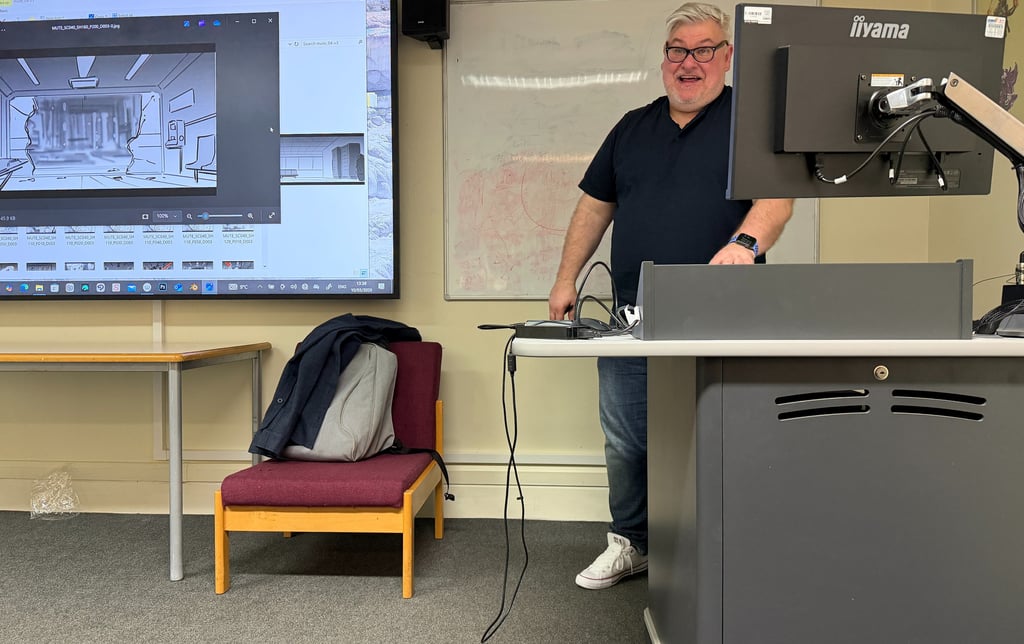
Recently we had the opportunity to attend a guest lecture from professional comic book and storyboard artist Neil Edwards, who visited the University of Cumbria to speak about his career, working methods, and the realities of visual storytelling in the creative industries.
For me, this session felt particularly relevant to my current work in Shot to Screen, as I am constantly thinking about how narrative ideas translate into visual form, shot composition, and production workflow.
Industry Perspective and Career Path
Neil began by discussing his journey into the industry, explaining how freelance creative careers often involve balancing multiple projects simultaneously. He described how he typically keeps “three or four projects in the mix all the time” in order to maintain momentum and financial stability (Edwards, Guest Lecture, 2026).
This insight was valuable because it highlighted the reality that creative practice is not always linear or predictable. As someone who is developing both university projects and external creative ambitions, it was reassuring to hear that periods of uncertainty and fluctuating workload are normal within professional practice.
Neil also spoke about working with major studios and publishers such as Marvel, DC Comics, and game development companies. What stood out was his emphasis on adaptability, moving between comics, film storyboards, advertising visuals, and game cinematics. This reinforced the importance of building a flexible skillset rather than focusing too narrowly on a single output.
The Speed and Function of Storyboarding
One of the most impactful aspects of the talk was Neil’s explanation of the speed required when working as a storyboard artist. He explained that when visualising initial concepts, “you have to be super quick in producing the idea” because storyboards are primarily about communicating narrative intent rather than producing polished illustrations (Edwards, Guest Lecture, 2026).
This directly connects to my own learning process. I sometimes spend too long refining visuals in early stages, whereas the purpose of storyboarding is to test ideas, pacing, and shot logic. Hearing this from an industry professional has encouraged me to think more pragmatically about my workflow, prioritising clarity and communication over perfection.
Neil also described collaborative workflows where storyboard artists work closely with directors, writers, and producers to develop visual beats. He explained how initial “beatboards” are used to explore story structure before moving into more detailed visualisation (Edwards, Guest Lecture, 2026).
This reinforced the importance of storyboards as a thinking tool, not just a presentation device. It also relates strongly to how I am developing sequences in Shot to Screen, where planning visual beats early helps avoid production issues later.
Creative Interpretation and Visual Ownership
Another key lesson came from Neil’s discussion of working on well-known intellectual properties. When tasked with visualising concepts for a live-action adaptation, he was advised not to replicate existing material but instead to “do your own version of it” (Edwards, Guest Lecture, 2026).
This idea resonated strongly with me. In Shot to Screen, I am adapting and interpreting visual ideas from references and influences, but the goal is not to copy. Instead, the challenge is to reinterpret material through my own creative lens, production constraints, and stylistic intentions.
This mindset is particularly important in stop-motion set design and cinematography. Even when working from real-world references or genre conventions, originality comes from how choices are made, framing, lighting, scale exaggeration, and texture all contribute to a distinctive visual identity.
Tools, Workflow and Technical Awareness
Neil also spoke about industry tools such as Storyboard Pro, which he described as a professional standard for integrating visual sequences into production pipelines. However, he also discussed experimenting with alternatives such as Blender’s Grease Pencil, highlighting the importance of evolving alongside technology.
This was encouraging because it demonstrated that there is no single “correct” tool, what matters is understanding workflow logic and communication within production teams.
From a cinematography and VFX perspective, this reinforces how storyboarding connects directly to shot planning, lens choices, and post-production workflows. The clearer the visual plan, the more efficient the production process becomes.
Reflection and Personal Application
Overall, Neil Edwards’ talk provided a valuable bridge between academic learning and professional practice. It emphasised that visual storytelling is not only about artistic skill, but also about time management, collaboration, adaptability, and decision-making under pressure.
For my own projects, particularly in Shot to Screen, I want to focus on:
Developing faster and more exploratory storyboard workflows
Thinking in terms of visual beats rather than isolated shots
Allowing space for creative interpretation rather than copying references
Maintaining awareness of how storyboards support later cinematography and VFX decisions
Hearing from an experienced practitioner helped contextualise my current learning and gave me confidence that experimentation and iteration are essential parts of becoming a visual storyteller.
Next Steps
Moving forward, I plan to apply these insights by producing looser, quicker storyboard passes before committing to detailed animatics or set builds. I also want to explore how digital tools such as Grease Pencil can support rapid visual development.
Most importantly, this session reinforced the idea that storyboarding is not simply a technical requirement, it is a powerful creative process that shapes how audiences ultimately experience a narrative.
Bibliography
Edwards, N. (2026) Guest lecture at the University of Cumbria.
Edwards, N. (2024) Neil Edwards Illustration. Available at: https://www.neiledwardsillustration.com/storyboards-1 (Accessed: 10 March 2026).
Fig. 1. Neil Edwards, Guest lecture at the University of Cumbria. (Edwards, 2026)
Fig. 2. X-Men_ The Exterminated. (Edwards, 2026)
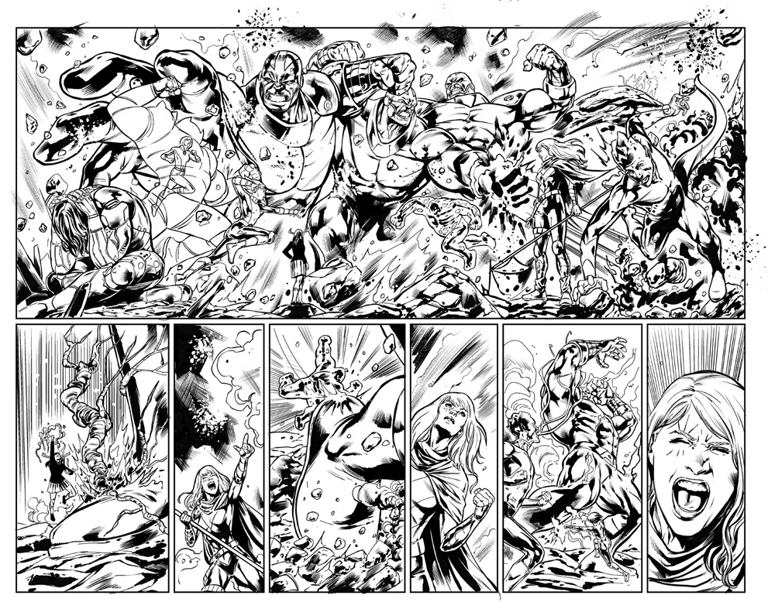
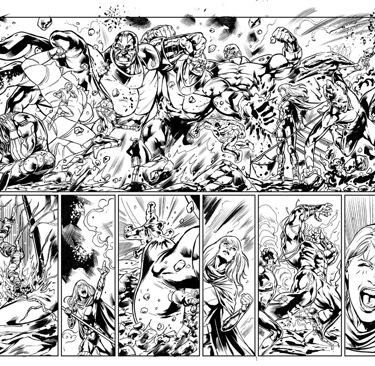
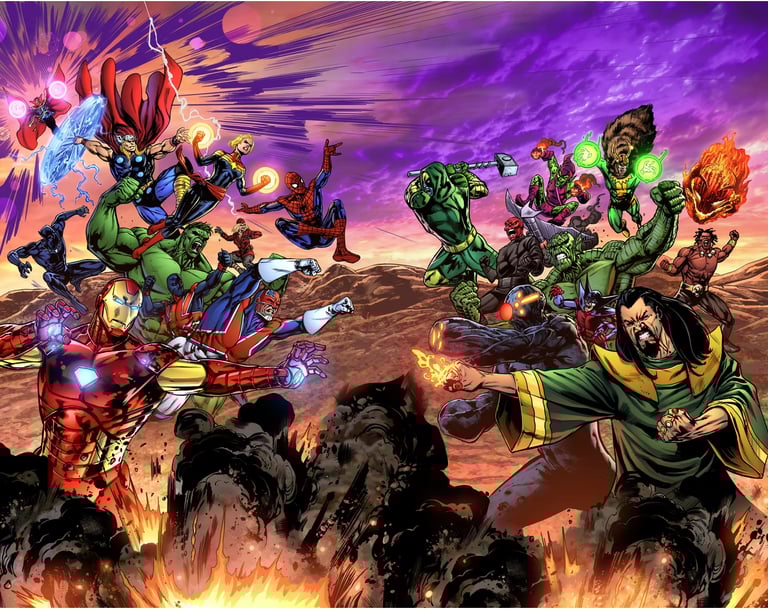
Fig. 3. Royal Mail. (Edwards, 2026)
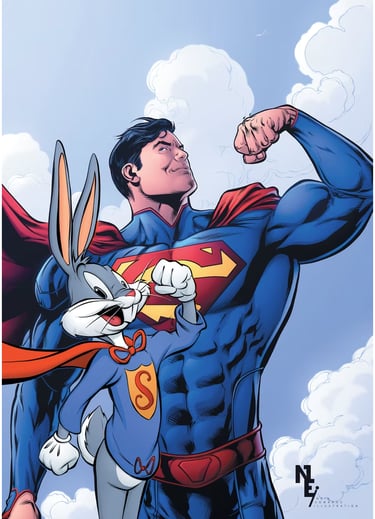
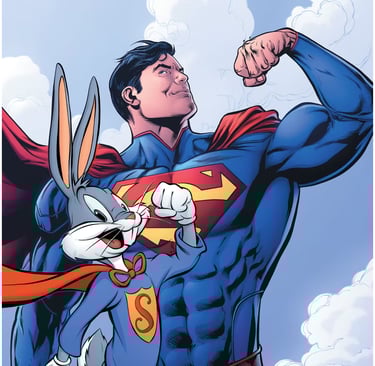
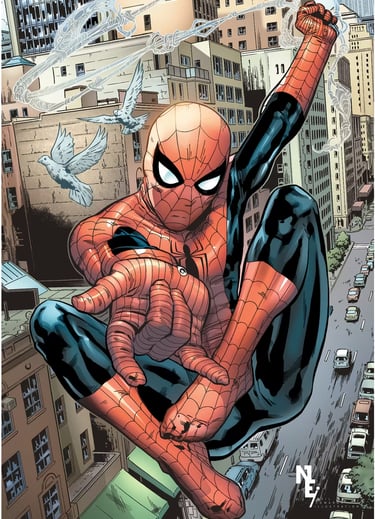
Fig. 4. Original print (Edwards, 2026)
Fig. 5. Original print (Edwards, 2026)
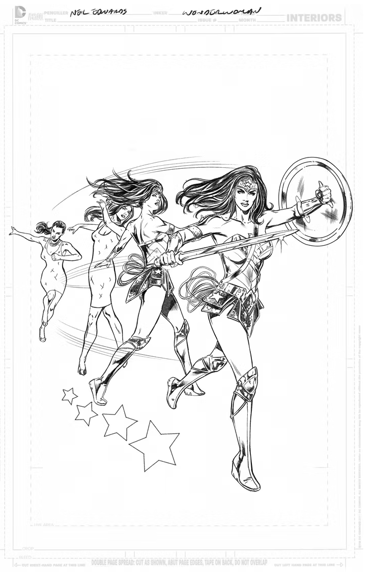
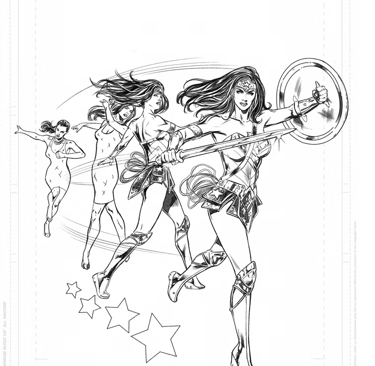
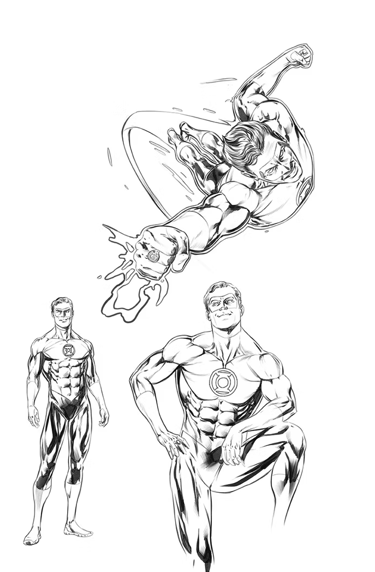
Fig. 6. Character design. Wonder Woman (Edwards, 2026)
Fig. 7. Character design. (Edwards, 2026)
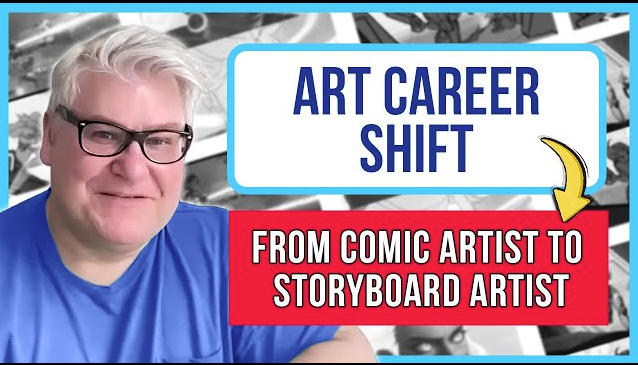
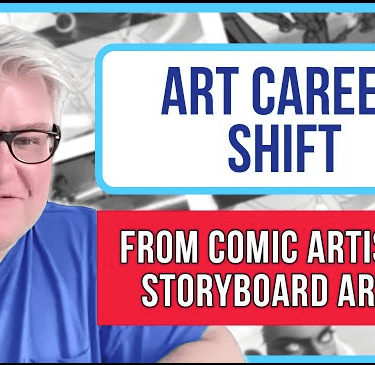
Fig. 8. Neil Edwards interview on StoryboardArt YouTube channel(Edwards, 2026)
Business address: Voice of Drew, Carlisle, CA2 6ER | UTR: 7259771174 Copyright Drew Campbell 2024