
Fractured Signal
Exploring Performance, Interface and Tension in a Hybrid Sci-Fi Scene
EXPERIMENTAL NARRATIVE AND CONCEPT
Drew Campbell
3/19/20263 min read
Fractured Signal
Exploring Performance, Interface and
Tension in a Hybrid Sci-Fi Scene
For my Experimental Narrative and Concept module, I have begun developing an idea titled Fractured Signal. This project is an exploration of how performance, real-time environments and digital interface design can be combined to create tension and fragmented narrative experience. Rather than focusing on a polished cinematic outcome, my intention is to test how emerging tools and hybrid workflows can influence storytelling decisions.
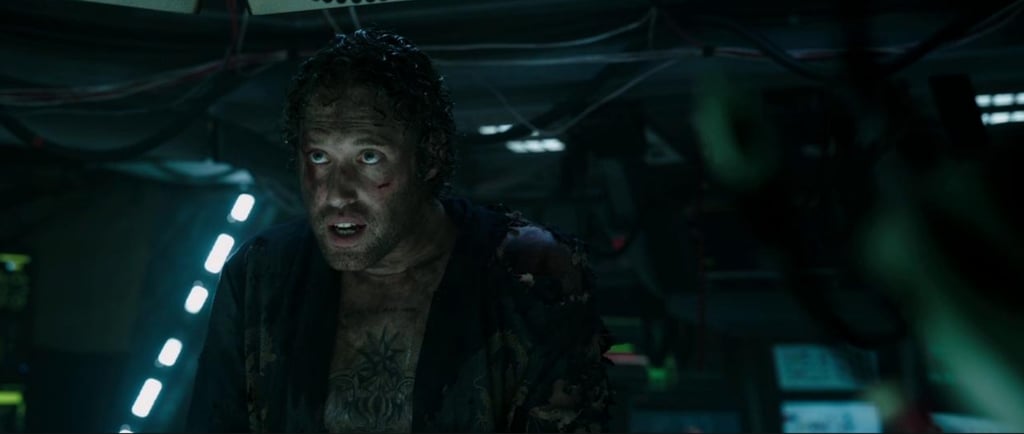
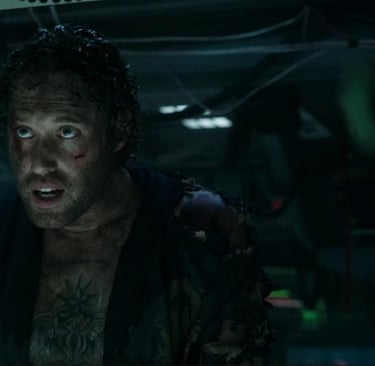
The visual tone of the scene is influenced by dark, industrial science-fiction environments that emphasise isolation and psychological tension, like in the film "Underwater" (BOOM UK, n.d.). I am interested in how isolation, technological failure and uncertainty can be communicated through lighting, composition and performance. The core narrative idea is simple: a lone character inside a damaged spacecraft receives a warning signal indicating an incoming threat. The threat itself is never fully shown. Instead, tension is created through unstable information, flickering holographic interfaces and the character’s physical response to events unfolding around him.
A key experimental aspect of this project is the integration of my own green screen performance into a real-time Unreal Engine environment. Acting against an imagined digital space presents creative challenges. I need to carefully consider eyelines, body language and pacing, as the environment and interface elements will only exist later in the compositing stage. This forces me to think more consciously about spatial awareness and emotional intention, rather than relying purely on visual feedback during filming.
Another major area of experimentation is the use of holographic interface design as a narrative device. I plan to explore using Rive to create animated control panels or warning displays, similar in concept to futuristic interface systems seen in science-fiction films. However, my aim is not to replicate existing screen aesthetics, but to investigate how interface movement, colour and timing can influence audience perception. For example, glitching visuals, delayed responses or fragmented information could reinforce the theme of technological intrusion suggested by the project title.
I am also interested in introducing interaction with a MetaHuman character within the scene. This could function as an onboard AI presence, a digital companion, or even a distorted projection of the protagonist’s own psychological state. At present, this idea is still at an early testing stage. I have successfully created a MetaHuman asset but am continuing to learn how to integrate and control it within a scene. Similarly, I am still developing my understanding of how Rive workflows translate into Unreal Engine. These technical learning curves will inevitably influence the scale and complexity of the final outcome.
Lighting design will play a significant role in establishing tone. I am experimenting with low-key illumination using green and blue colour contamination to suggest malfunctioning systems and environmental instability. This approach allows lighting to act not only as a visual aesthetic choice but also as a storytelling mechanism that shapes emotional tension.
Overall, this project represents a process-led investigation into hybrid performance and digital worldbuilding. The focus is on experimentation, testing and reflection rather than achieving a fully resolved narrative sequence. My next steps will involve filming green screen performance tests, refining the Unreal Engine environment, and exploring how interface animation and MetaHuman interaction can contribute meaningfully to the sense of threat and uncertainty within the scene.
References
BOOM UK (n.d.) Underwater. Available at: https://boomuk.net/underwater.html
(Accessed: 19 March 2026).
GamesRadar (n.d.) Ditch holographic interfaces. Available at: https://www.gamesradar.com/ditch-holographic-interfaces/
(Accessed: 19 March 2026).
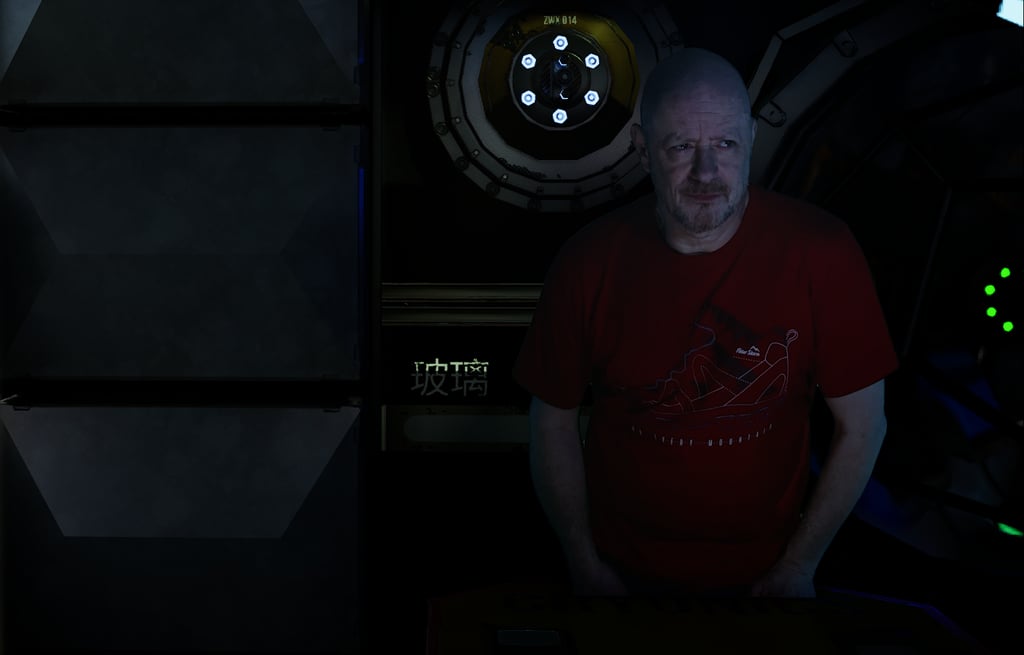
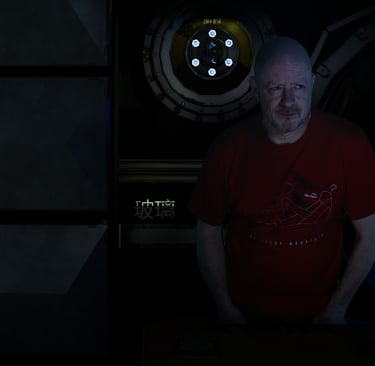
Fig.1. Industrial sci-fi lighting environment used as visual mood reference (BOOM UK, n.d.).
Fig.2. Green screen performance composited into Unreal Engine environment (Author’s own image, 2026).
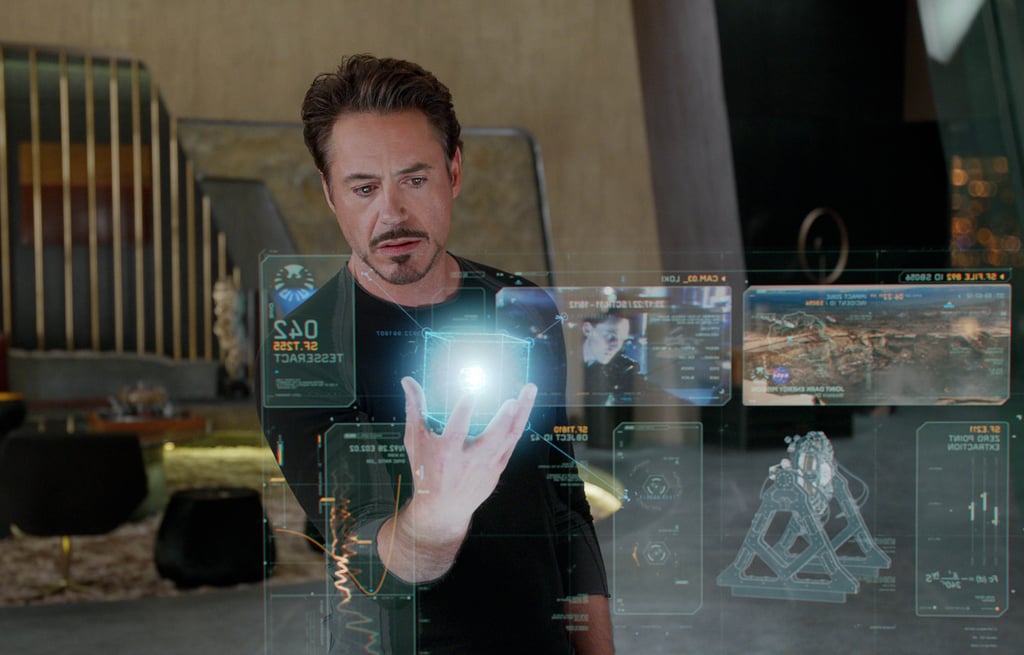
Fig.4. Futuristic holographic interface concept used as inspiration for experimental UI design (GamesRadar, n.d.).
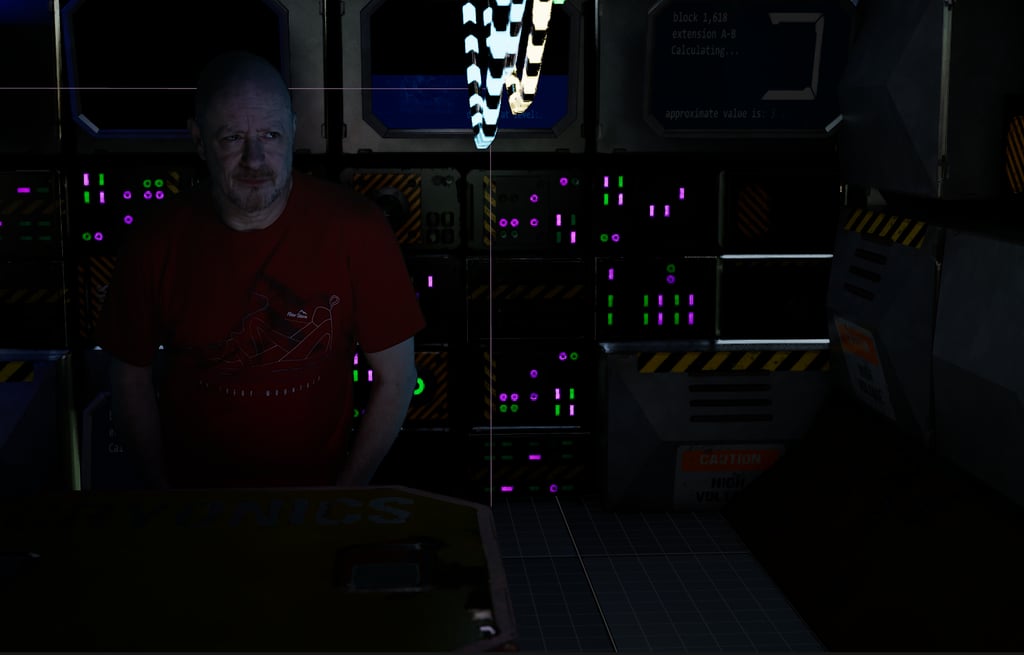
Fig.5. Green screen performance composited into Unreal Engine environment (Author’s own image, 2026).
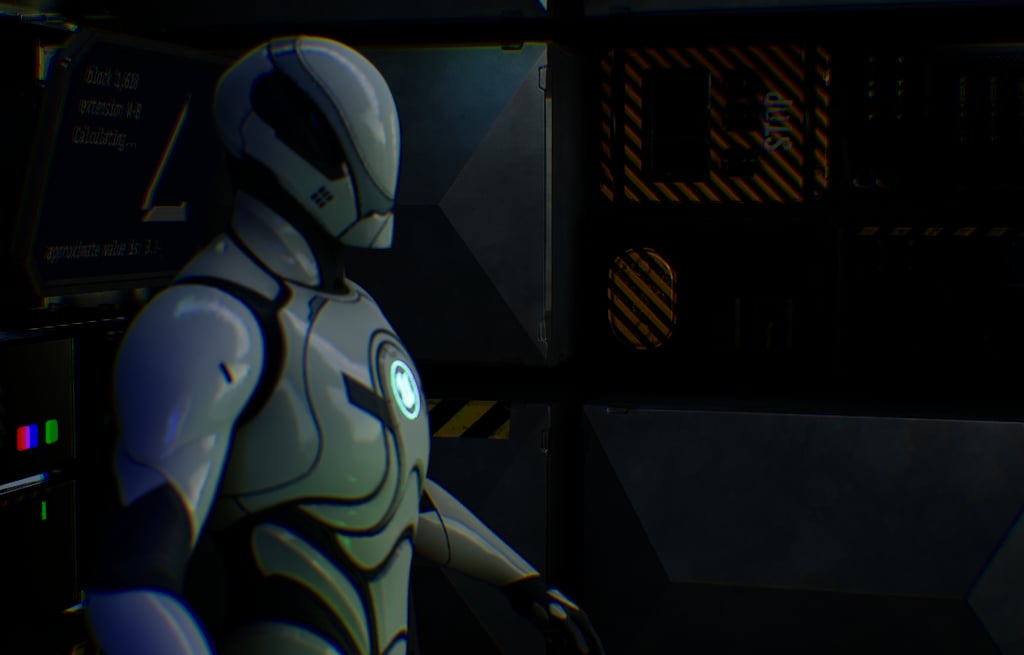
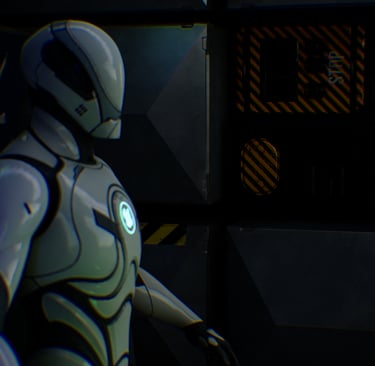
Fig.6. Scene angle example with place holder character (Author’s own image, 2026).
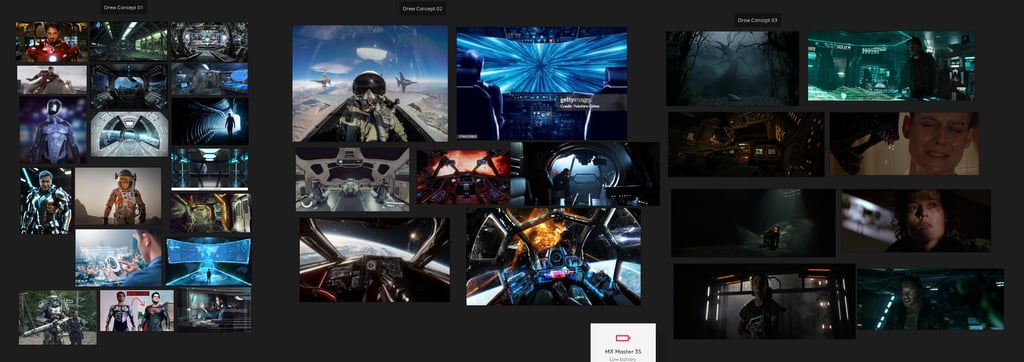
Fig.3 PureRef mood board exploring sci-fi lighting, spaceship environments, holographic interface aesthetics and psychological tension (Author’s own image, 2026).
Business address: Voice of Drew, Carlisle, CA2 6ER | UTR: 7259771174 Copyright Drew Campbell 2024