
Final Reflections on a Stop Motion Adventure
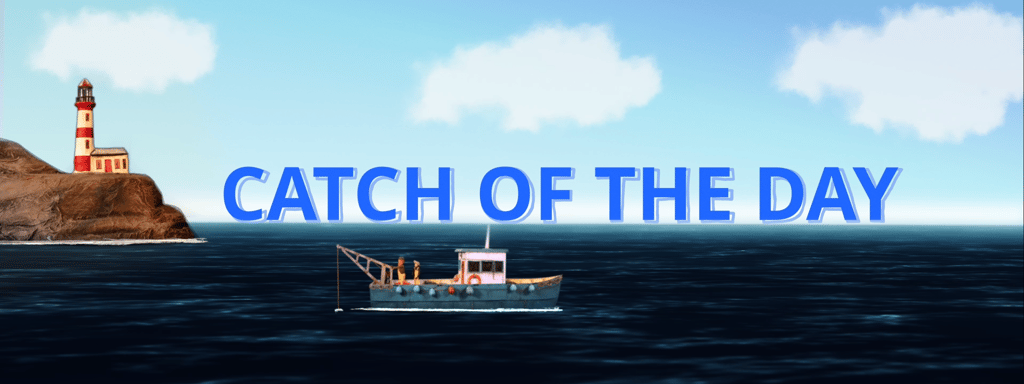
Catch of the Day
SHOT TO SCREEN
Drew Campbell
6/1/20266 min read
Catch of the Day:
Looking Back on My Biggest Stop Motion Project Yet
As I reach the end of the AVFX5001 Shot to Screen module, it feels like the perfect opportunity to look back on what has been one of the most ambitious and rewarding projects I have undertaken during my degree so far.
Catch of the Day challenged me in ways I never expected. From designing characters and building sets to animating frame by frame and solving countless technical problems, the project pushed me well outside my comfort zone and taught me a huge amount about stop motion production.
From Hot Fuzz to the Open Sea
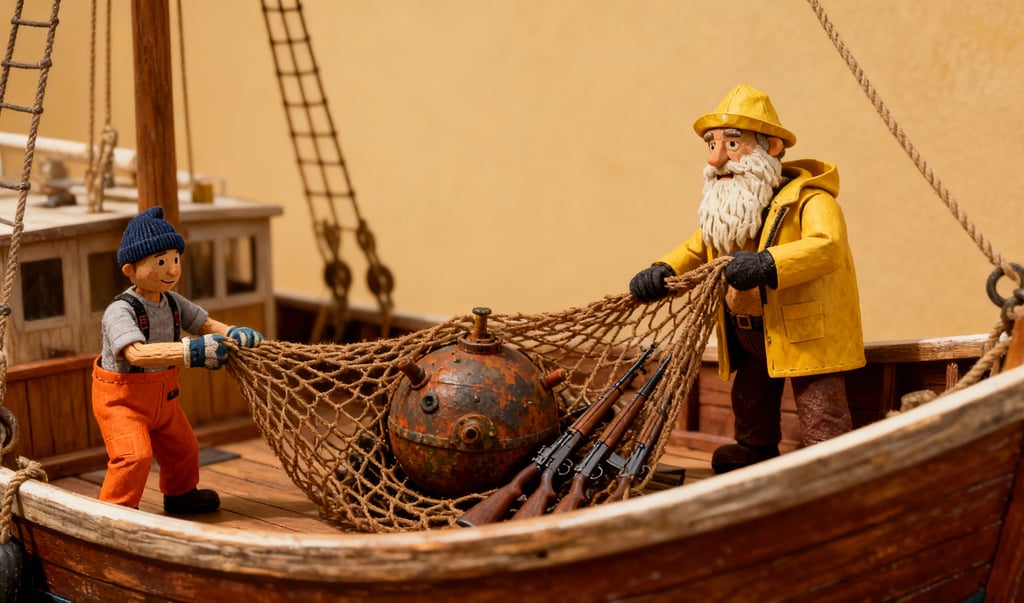
The project began with a simple idea inspired by one of my favourite films, Hot Fuzz (Wright, 2007). I loved the absurdity of the sea mine scene and wanted to reinterpret that concept within an original stop motion story.
My initial plans were much larger in scope. The story was originally set within a busy fishing village complete with a harbour, lighthouse and surrounding coastline. As production developed, I realised that I needed to simplify the project if I wanted to complete it to the standard I was aiming for. The focus gradually shifted towards the boat itself and the relationship between Reg and his grandson Davey, with the lighthouse and cliff becoming establishing elements rather than central locations.
Looking back, this was one of the best decisions I made throughout the project. Reducing the scale allowed me to concentrate on storytelling, animation and production quality rather than constantly trying to build more assets.
Building the World
One of the aspects I enjoyed most was the practical side of production. I have always enjoyed making things by hand, and this project gave me plenty of opportunities to do exactly that.
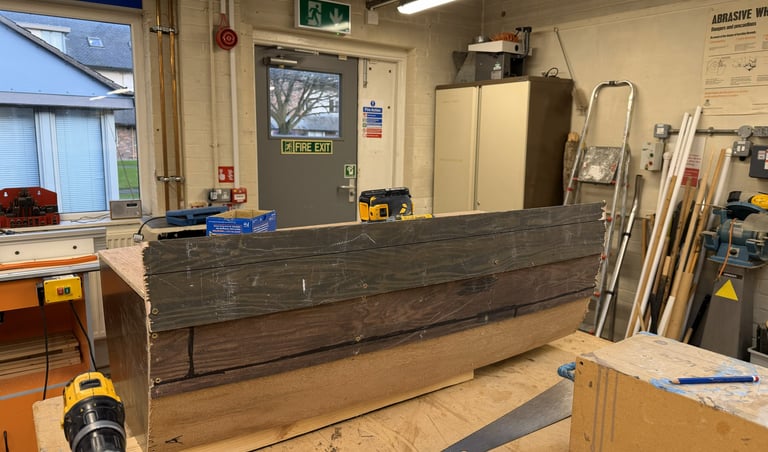
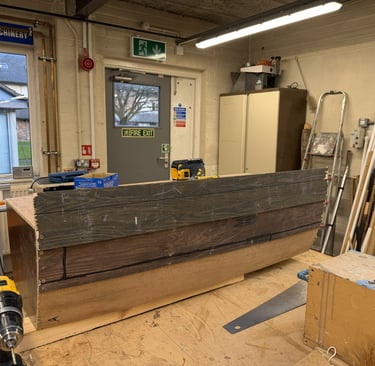
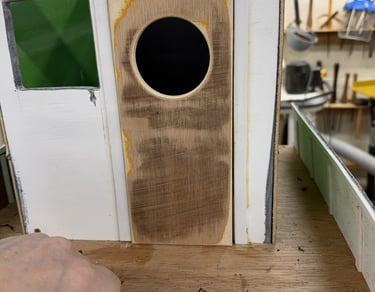
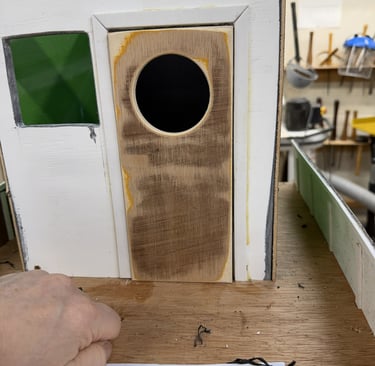
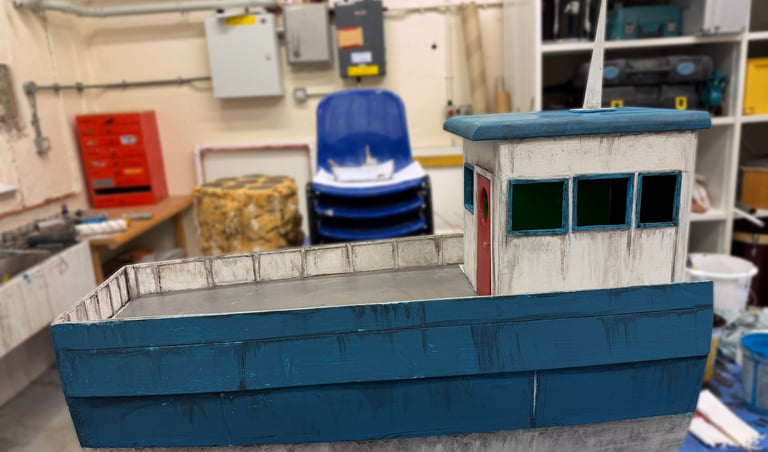
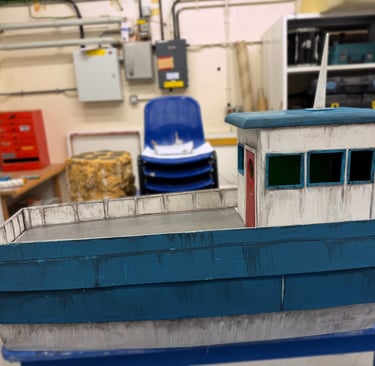
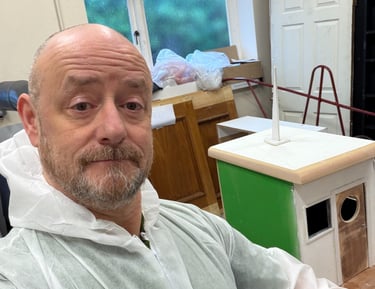
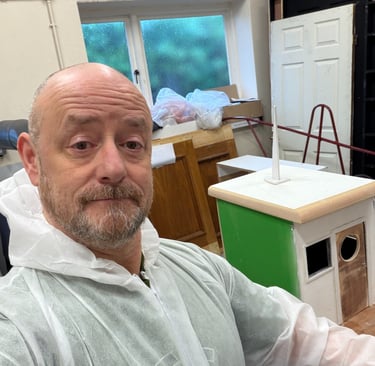
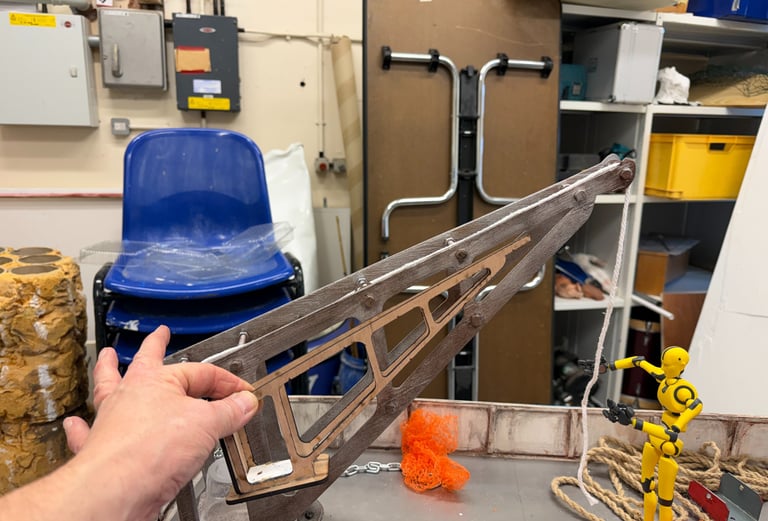
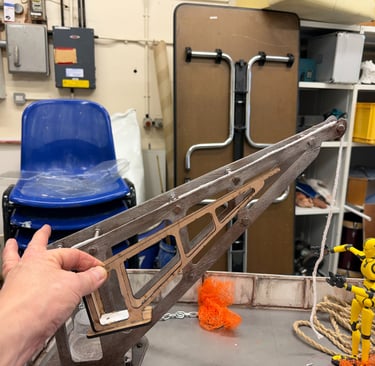
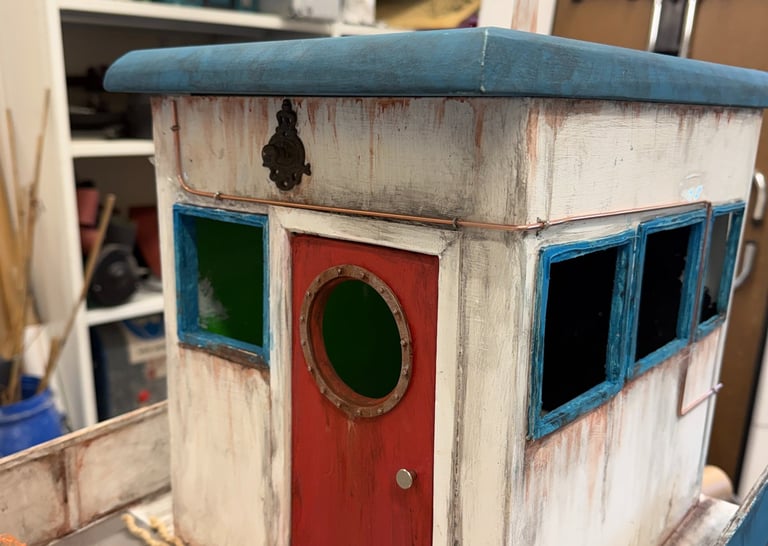
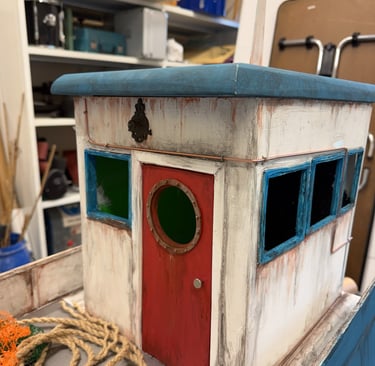
The boat became the centrepiece of the entire production. From designing and constructing the hull to building the crane, weathering the surfaces and adding small details, I found myself constantly refining the set. Many elements were built using whatever materials I could find, alongside laser-cut parts, 3D printed accessories and hand-crafted components.
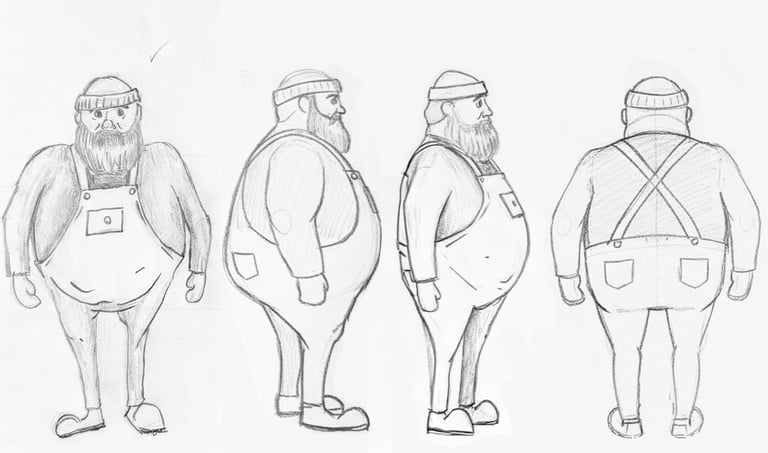
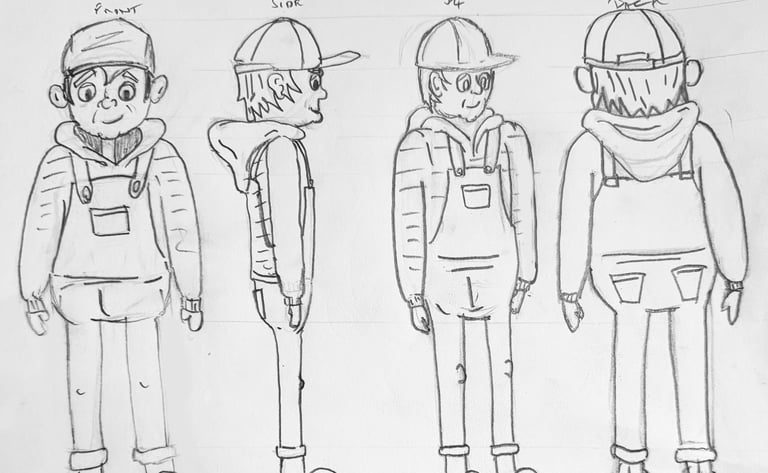
The characters themselves also presented a number of challenges. Armatures were constructed, costumes created, and numerous small details added to help bring them to life. Simple solutions often worked best, such as using modified ping pong balls to create hats and accessories.
Learning Stop Motion the Hard Way
Although I had created a small stop motion project during my first year, this was my first experience producing something on this scale.
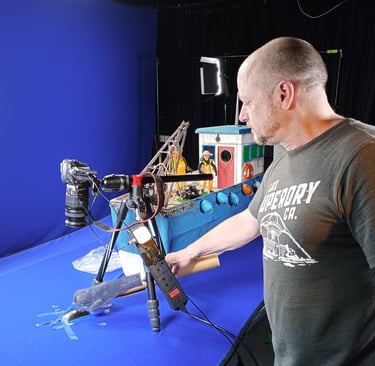
The reality of stop motion quickly became clear. Over the course of more than a week of filming, I produced approximately twenty-eight seconds of usable animation. Every movement had to be carefully planned and executed one frame at a time.
Mistakes were unavoidable. There were occasions where I accidentally knocked the camera or moved the boat slightly between frames, creating jumps within the animation. Some scenes had to be filmed again entirely, while others were repaired during post-production. At the time it was frustrating, but it taught me the importance of patience and consistency.
Dragonframe itself became an important part of the learning process. By the end of the project I felt far more confident working within the software, but there were certainly moments where I questioned my sanity while trying to animate a character a fraction of an inch at a time.
The Challenge of Post-Production
Once filming was complete, a new set of challenges emerged.
Keying the blue screen footage proved far more difficult than I expected. Achieving even lighting across the screen was not easy, which led to additional work removing artefacts and refining mattes during compositing.
I also found myself learning new techniques throughout the editing process rather than before it. Looking back, there are several areas I would have researched earlier if I were starting again. However, the process of solving problems became one of the most valuable learning experiences of the entire project.
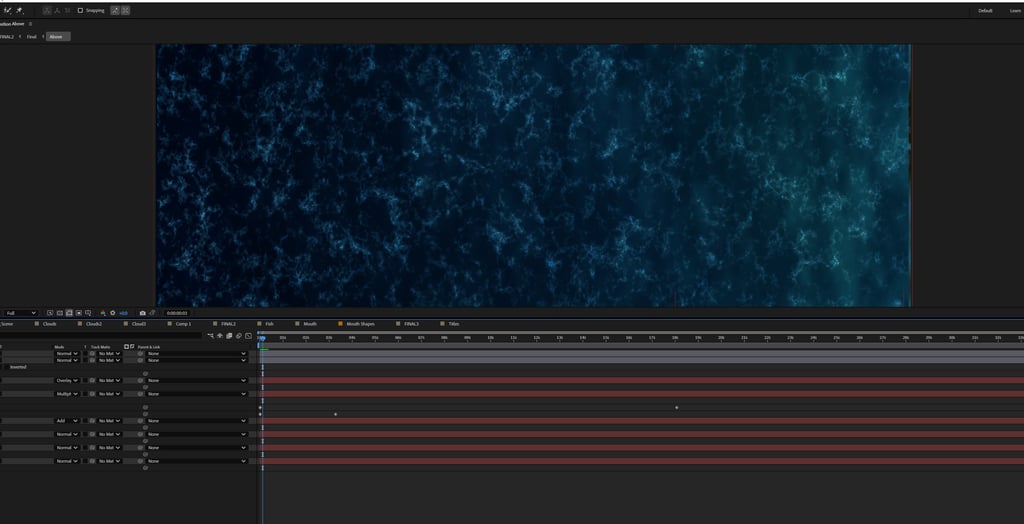
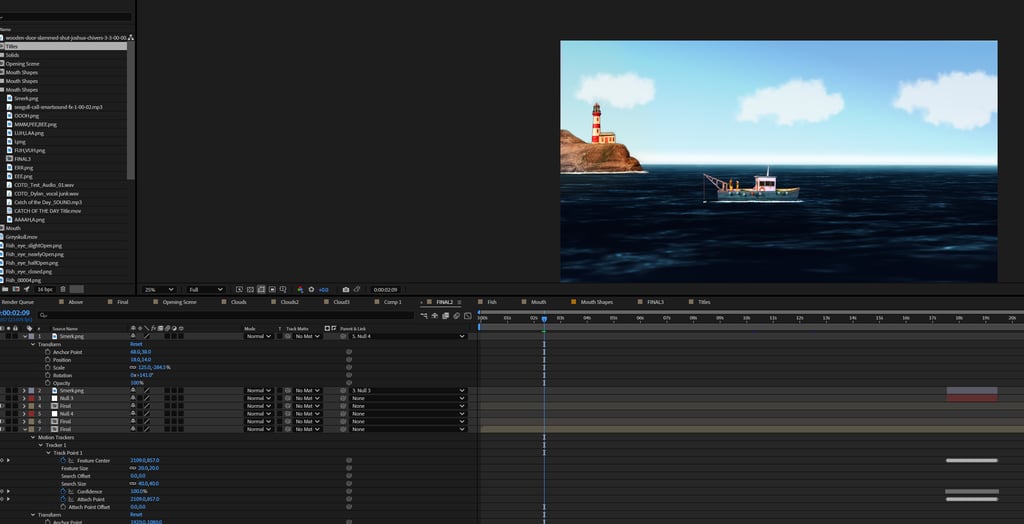
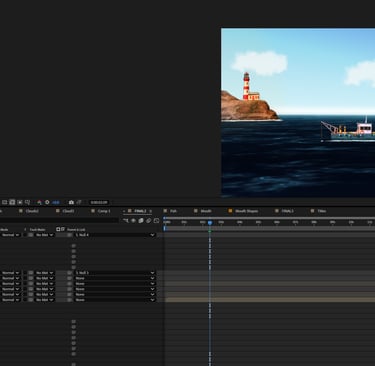
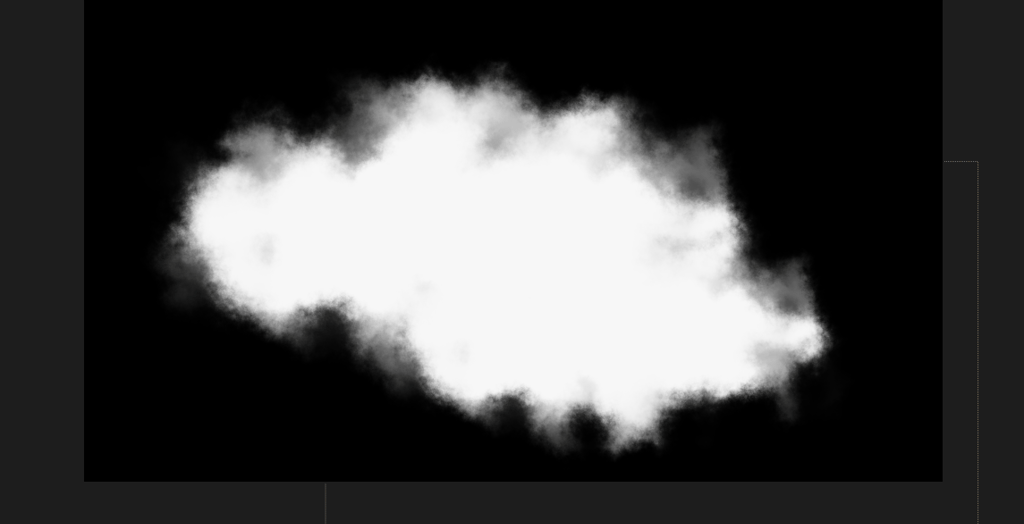
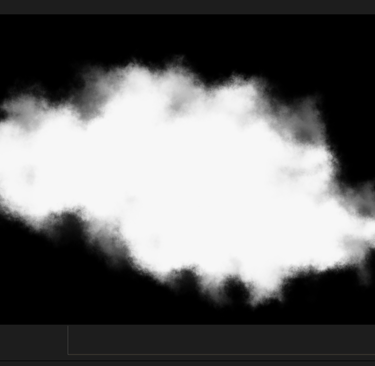
Many of the visual effects were created in After Effects after watching many tutorials. The sea itself went through several iterations before I settled on a combination of Fractal Noise and Turbulent Displace techniques. Additional effects included animated clouds, sea foam and a fish animated separately on a green screen.
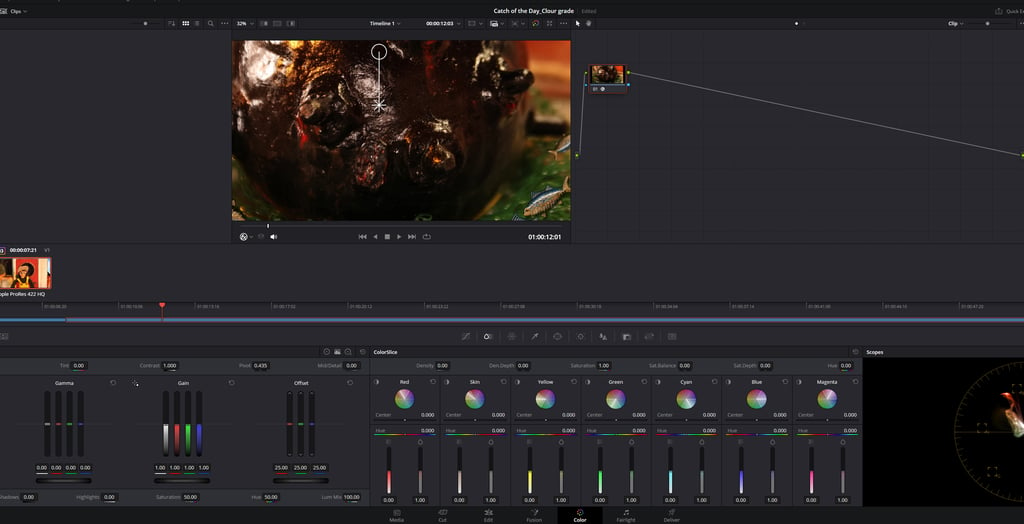
DaVinci Resolve also became an essential part of the workflow, particularly when adjusting timing and refining the pacing of certain shots.
What I Learned
This project taught me far more than simply how to create stop motion animation.
I learned how important planning and organisation are when working on a long-term production. I learned how valuable problem-solving can be when things inevitably go wrong. Most importantly, I discovered that patience is perhaps the most important skill a stop motion animator can possess.
The project also helped me identify areas I particularly enjoy. While character sculpting is something I would like to continue improving, I found myself drawn towards set building, prop making and practical effects. Bringing physical objects to life through design and construction became one of the most enjoyable parts of the entire process.
Final Thoughts
When I watch the finished film, I do not just see the final thirty seconds of animation. I see months of planning, building, experimenting, problem-solving and learning.
If I had more time, I would continue refining the character heads and explore replacement facial parts similar to those used by Laika productions. However, considering this was my first stop motion project on this scale, I am extremely proud of what I have achieved. One thing I didn't get around to achieving was having the eyes of the characters blink, I slimply just ran out of time.
Most importantly, Catch of the Day has given me confidence moving forward into Year 3. The project has shown me what is possible with patience, determination and a willingness to learn from mistakes. It has also reinforced something I already suspected: I really enjoy making things, bringing characters to life and telling stories through animation.
For that reason alone, every challenge along the way was worth it.
Here is the final film, I hope you like it.


References
Hot Fuzz. (2007). [Film] UK: Universal Pictures.
Fig1. Opening title scene
Fig.2. Reg character top left. Davey character top right. Early AI concept image bottom.
Fig.3. The process of building the fishing boat.
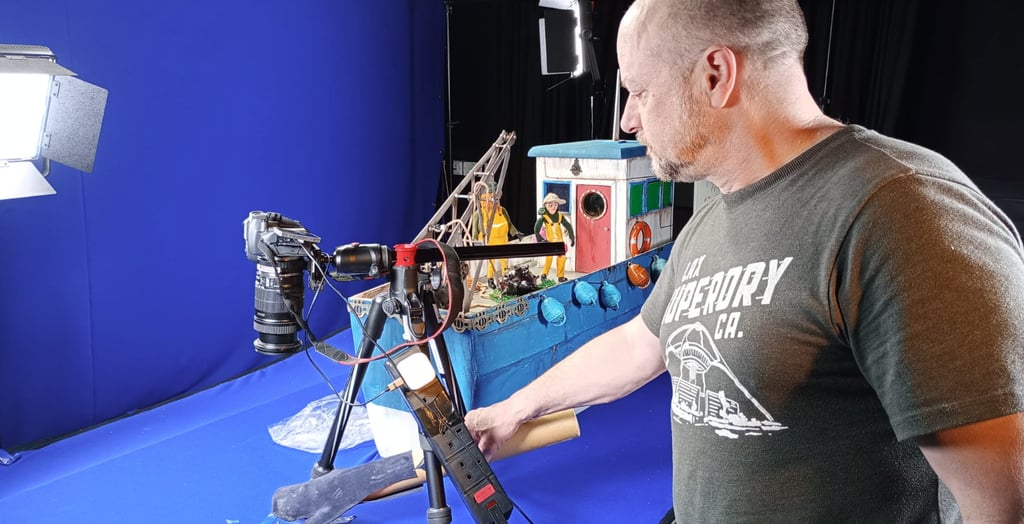
Fig.4. Filming process. This is me in the process of filming the close up of the gloved hand turning off the sea mine.
Fig.5. Creating the sea in After Effects
Fig.6. The sea in After Effects
Fig.7. Creating clouds in After Effects
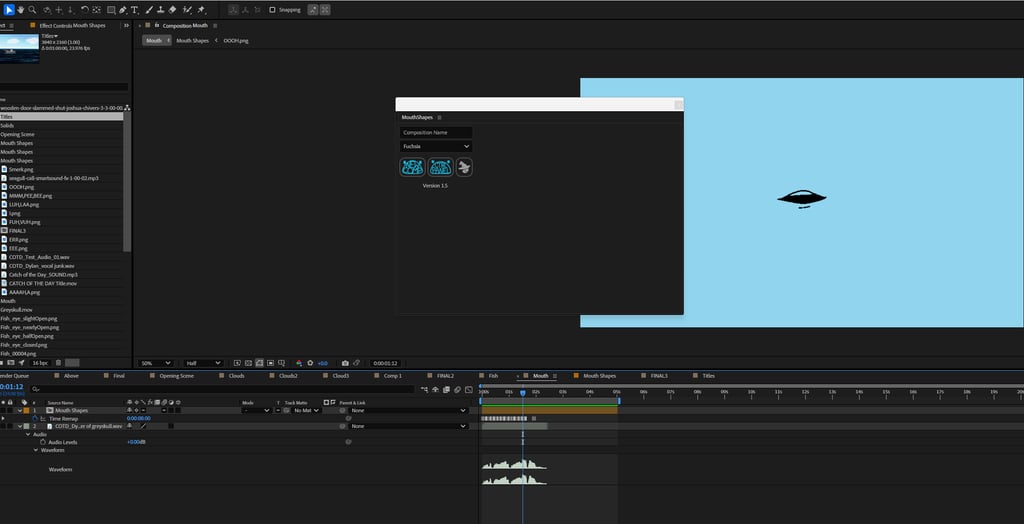
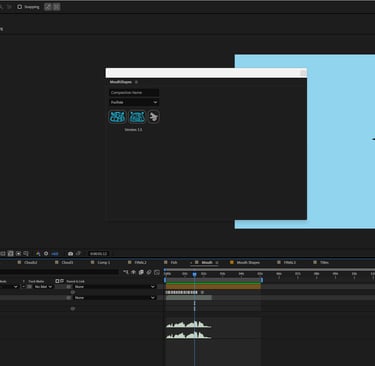
Fig.8. Mouth sync sequence in After Effects
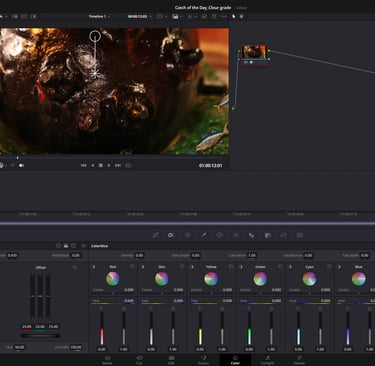
Fig.9. Colour grading in Devinci Resolve
Business address: Voice of Drew, Carlisle, CA2 6ER | UTR: 7259771174 Copyright Drew Campbell 2024