Filmmaking on a Shoestring
Early Practice, Constraints, and Learning
PROFESSIONAL DEVELOPEMENT
Drew Campbell
12/25/20253 min read
Filmmaking on a Shoestring
Early Practice, Constraints, and Learning
When I reflect on my filmmaking skills, I often realise that they were shaped long before I had access to any formal training, industry-standard software, or even what most people would call a “proper” filmmaking setup. My earliest experiences with filming and editing go back to around 2009–2012, and while the tools were basic, the learning was significant.
At the time, I was working with a Samsung NV24HD compact camera, which was never designed for filmmaking (Dpreview.com, 2008). It was limited in terms of manual control, low-light performance, and audio quality. However, it was what I had access to, and that forced me to focus on fundamentals rather than technology. Framing, timing, continuity, and performance became far more critical than technical polish. Looking back, this constraint-led approach mirrors the reality of many entry-level or independent creative roles, where problem-solving and adaptability are often valued more than ideal equipment.
One of my earliest filmmaking experiences was creating music videos with my nephew Ben. These projects were informal and experimental, but they introduced me to the whole creative pipeline in an efficient way. I wasn’t just pressing record; I was thinking about how visuals supported rhythm, mood, and narrative. Many of these early videos were covers of songs by bands such as Kings of Leon and Arctic Monkeys, as well as artists like Snow Patrol, Gary Moore, and AC/DC. Working with existing music helped me develop an instinct for pacing and visual-musical alignment, skills that remain central to editing and motion work today.
I then filmed my own live performance at the Spinners Arms in Carlisle. This was an essential step because it introduced real-world unpredictability: low light, limited space, and no control over audience movement or environment. Filming live performance taught me how to anticipate moments, react quickly, and accept imperfections while still aiming for clarity and engagement. These are skills that directly translate to professional environments, particularly in documentary, event filming, and fast-turnaround content creation.
Years later, I returned to filmmaking through a very different route: my iPhone X (Apple, 2017). Creating videos for TikTok and LinkedIn might not initially sound like “filmmaking” in a traditional sense, but in practice, it requires many of the same skills. Working with a phone meant thinking carefully about composition, vertical framing, clarity of message, and immediacy. With no crew, minimal setup, and often no opportunity for retakes, I had to be concise and intentional. This form of self-directed content creation also strengthened my confidence in presenting ideas visually and communicating clearly to an audience.
In addition to personal and performance-based content, I began filming local videos. These projects encouraged me to think more consciously about place, atmosphere, and visual storytelling within everyday environments. Again, the budget was effectively zero, but the creative decisions still mattered.
From a professional development perspective, these experiences are highly relevant as external and off-campus work experience. They demonstrate long-term engagement with filmmaking practice, self-motivation, and an ability to work within constraints. They also show a progression: from basic experimentation, to live performance documentation, to purposeful social and professional content. Importantly, they reflect a mindset of making the best possible work with the resources available, which is a recurring reality in creative industries.
What I’ve learned most from these early filmmaking experiences is that skill development does not begin with expensive equipment. It starts with curiosity, persistence, and a willingness to learn through doing. These formative projects laid the groundwork for my later studies in animation, editing, and visual storytelling, and they continue to inform how I approach creative problem-solving today.
Next steps
I want to revisit some of this early material critically and identify transferable skills that align with current industry expectations. I also plan to contextualise these experiences more explicitly within my CV and portfolio, framing them as evidence of sustained practice, adaptability, and real-world creative problem-solving rather than informal or “hobbyist” work.
References
Apple (2017). iPhone X - Technical Specifications – Apple Support (UK). [online] Apple Support. Available at: https://support.apple.com/en-gb/111864 iPhone X.
Dpreview.com. (2008). Samsung NV24HD. [online] Available at: https://www.dpreview.com/products/samsung/compacts/samsung_nv24hd [Accessed 18 Dec. 2025]. Samsung NV24HD compact digital Camera.

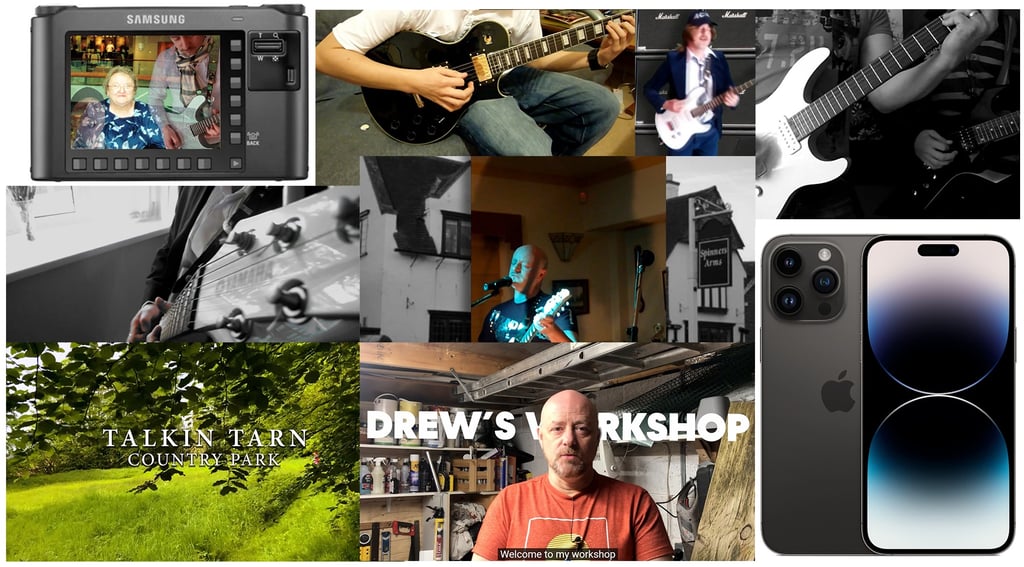
Fig. 1. Collage of images including video stills from my YouTube channel.
Fig. 3. Kinks of Leon cover of Use Somebody filmed with a Samsung NV24HD compact camera on my YouTube channel.

Fig. 5. Video of Talkin Tarn, Cumbria filmed with an iPhone 14 Pro Max on my Stop4Media YouTube channel.
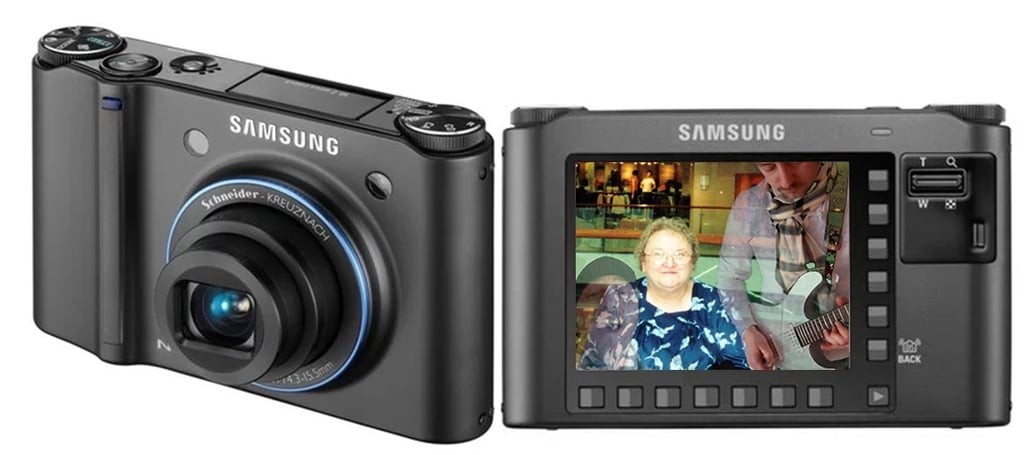
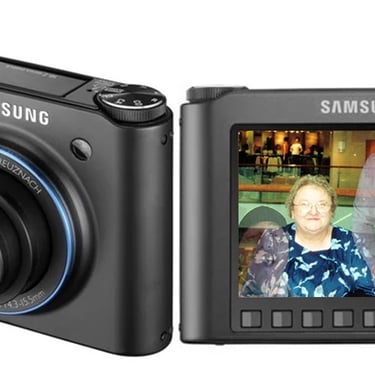
Fig. 2. Samsung NV24HD compact camera (Dpreview.com, 2008).
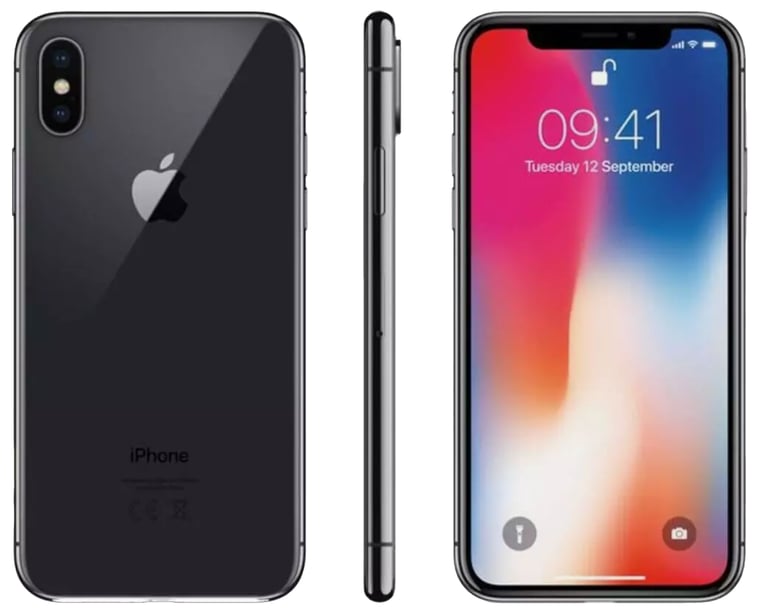
Fig. 4. iPhone X - Space Greay (Apple, 2017)
AI Use Statement
Generative AI tools were used to support the structuring, editing, and clarity of this reflective writing. All ideas, critical analysis, and personal reflections are my own.
Business address: Voice of Drew, Carlisle, CA2 6ER | UTR: 7259771174 Copyright Drew Campbell 2024