
Designing and Building the Boat Crane
Shot to Screen AVFX5001
SHOT TO SCREEN
Drew Campbell
3/6/20264 min read
Designing and Building the Boat Crane
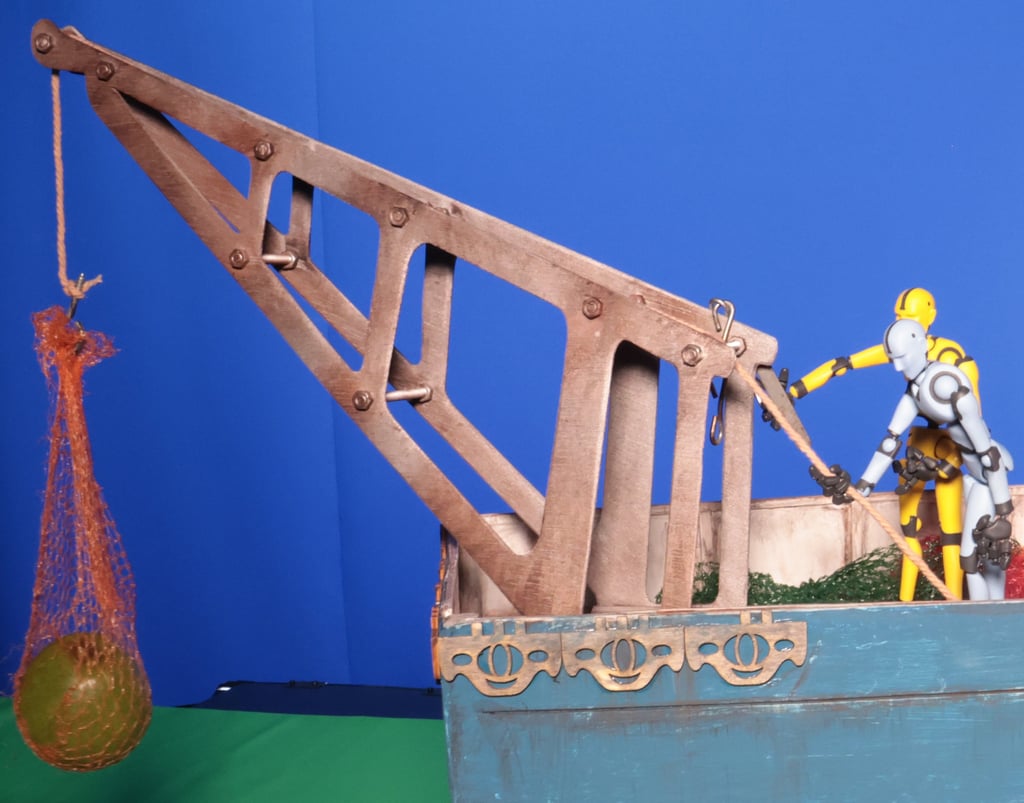
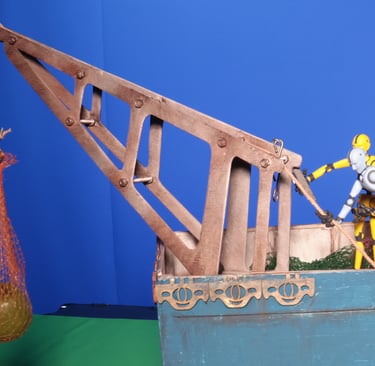
As part of the ongoing set construction for my stop-motion project, I have now completed one of the key functional props for the fishing boat, the crane. This element plays an important visual and narrative role within the world of the film, helping to establish the authenticity of the working vessel while also adding dynamic shape and silhouette to the overall set design. The Shot to Screen module encourages independent production craft and the creation of physical assets that support a self-directed screen adaptation, making this stage of prop development particularly significant within my workflow .
From Reference to Design
My starting point was researching real fishing boat cranes through reference imagery. Rather than replicating these directly, I aimed to interpret their forms in a way that would suit the stylised stop-motion aesthetic I am developing for Catch of the Day. I sketched ideas digitally in Adobe Illustrator, focusing on bold structural shapes and slightly exaggerated proportions.
Working digitally allowed me to experiment quickly with scale and balance before committing to physical fabrication. This process also helped me visualise how the crane would sit within the composition of the set and how it might influence camera framing later in production.
Laser Cutting and Learning from Mistakes
Once I was happy with the design, I transferred the vector file to the laser cutter in Kenny’s workshop. My first attempt revealed an important lesson, I had misjudged the scale. The crane looked far too small when placed against the boat deck, which would have reduced its visual impact on screen.
Rather than simply enlarging it proportionally, I took the opportunity to rethink the design. I increased both scale and exaggeration in the shapes to create a more characterful, almost expressive form. This felt much more aligned with the tactile charm of stop-motion sets, where slightly heightened realism often reads better on camera.
Assembly and Structural Decisions
The crane was assembled using nuts and bolts, which gave it both strength and a believable mechanical appearance. I also incorporated metal sewing machine spools as part of the pulley system, a practical reuse of found materials that added convincing industrial detail.
To allow the crane to rotate, I repurposed the swivel mounting plate from a swivel caster (the rotating top plate containing a ball-bearing race). This component was riveted to the base of the crane and then fixed onto a larger 3 mm plywood base plate for stability. Finally, the entire assembly was screwed securely into the boat deck.
This approach gave me a robust yet functional prop that can withstand handling during animation, while also enabling subtle movement if needed for performance or staging.
Surface Treatment and Ageing
With construction complete, I focused on surface finish. I sprayed the crane with a base coat of silver paint to suggest bare metal. Over this, I applied a light mist of brown spray to break up the uniformity and introduce a sense of age.
To push the realism further, I used a thin hand-brushed wash of browns, blacks, and reds. This technique allowed the pigment to settle into joints and recesses, creating the impression of rust, grease, and general wear. These layered textures are important in stop-motion because close-up cinematography can easily reveal flat or artificial surfaces.
Reflection and Next Steps
I am extremely pleased with how the crane integrates into the boat set. It adds vertical interest, reinforces the narrative context of a working fishing vessel, and demonstrates how physical prop-making decisions directly support visual storytelling.
This process also reminded me of the importance of testing scale early and embracing iteration as part of craft development. Moving forward, I plan to consider how the crane might interact with lighting, camera angles, and character blocking during animation.
The next stage will be to continue building complementary set elements, including the cliff, rocks, and lighthouse, ensuring that all components work cohesively to support the final filmed sequence.
References
Bentleys London (no date) Victorian crane model. Available at: https://bentleyslondon.com/products/victorian-crane-model (Accessed: 06 March 2026).


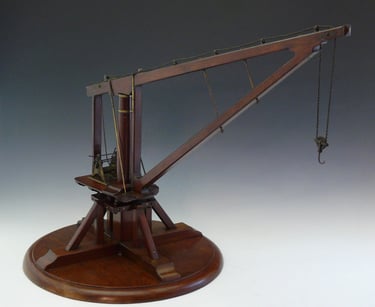
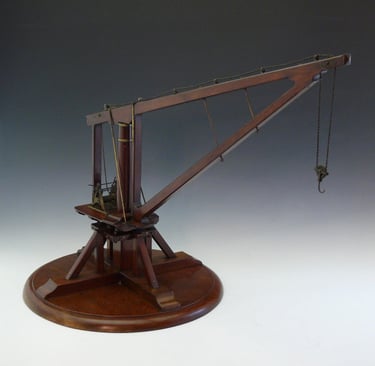
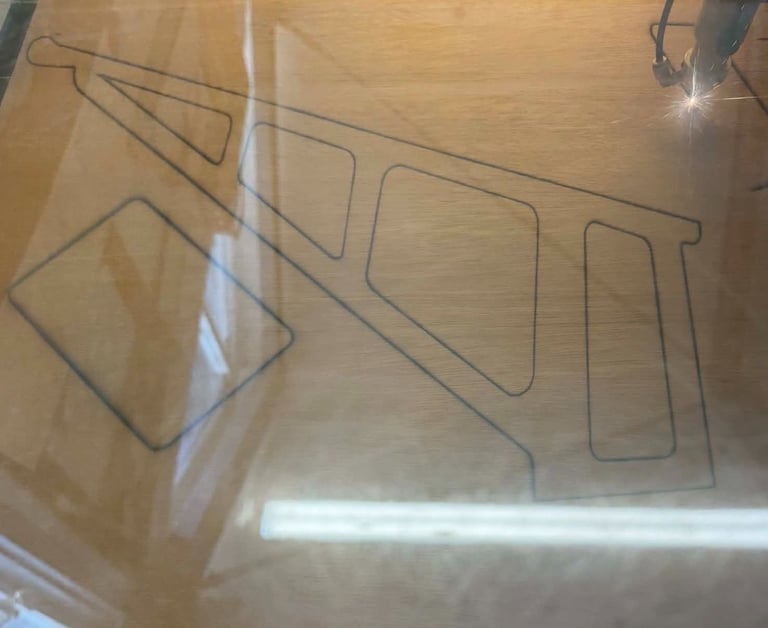
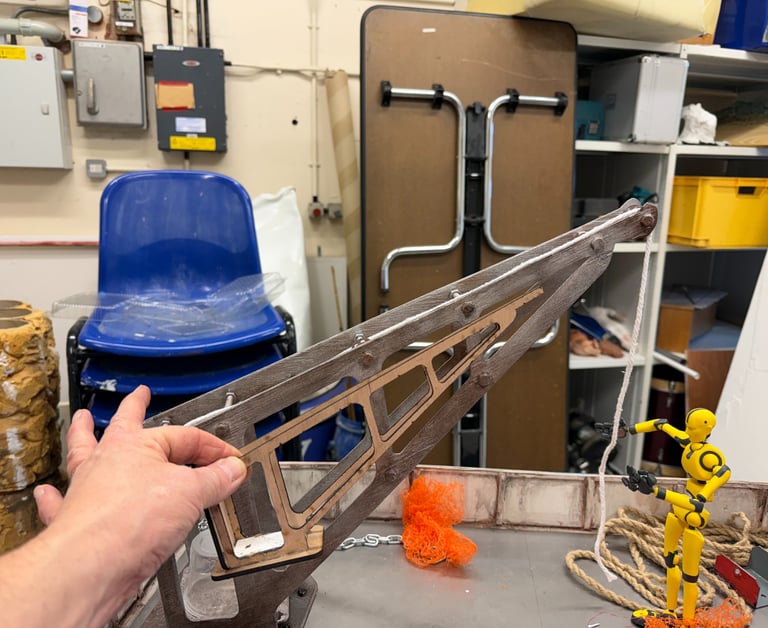
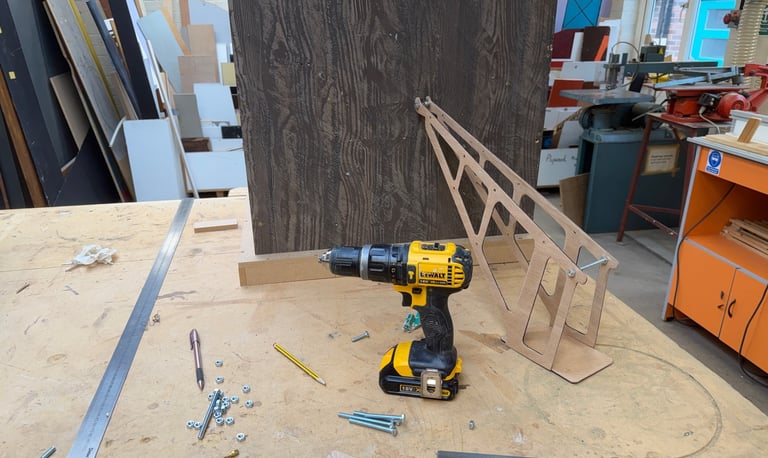
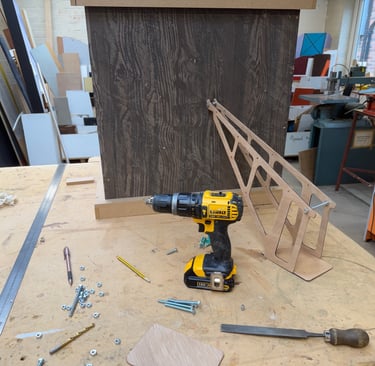
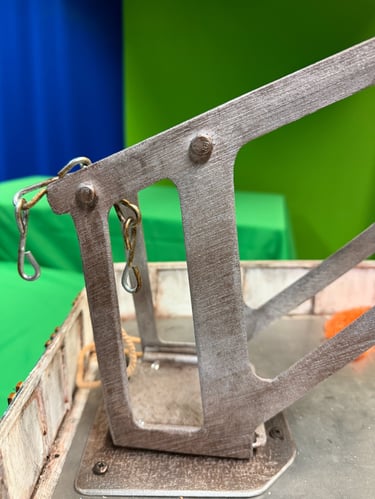
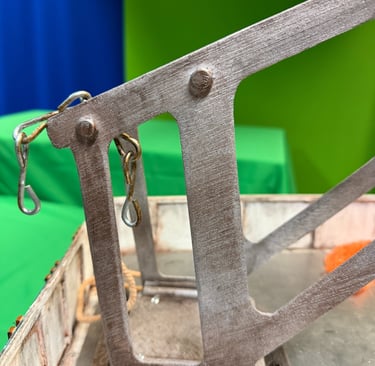
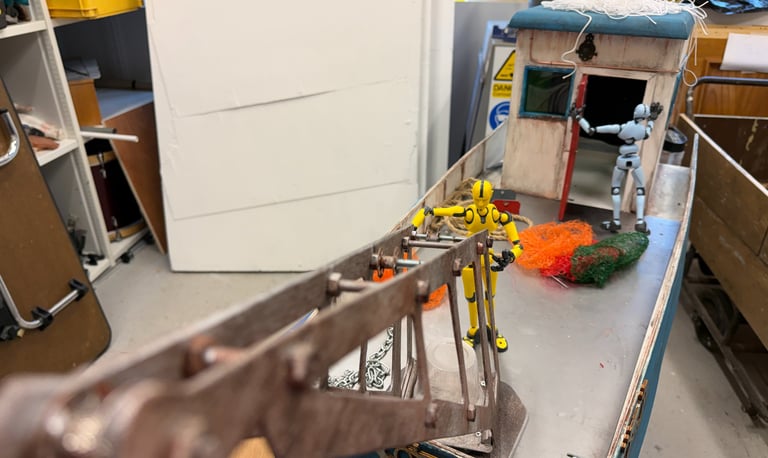
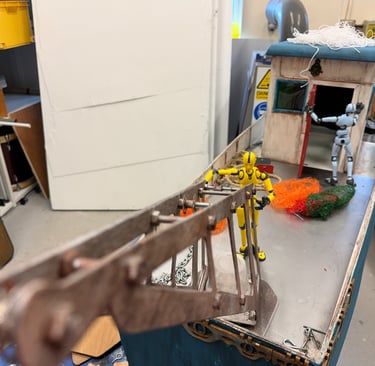
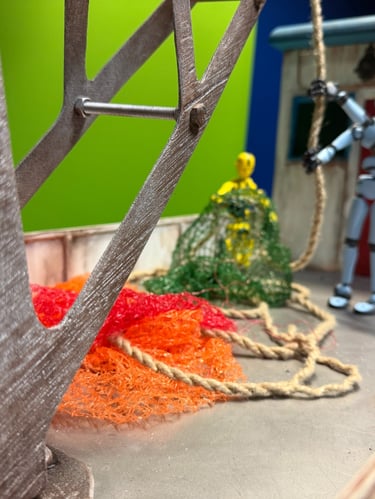
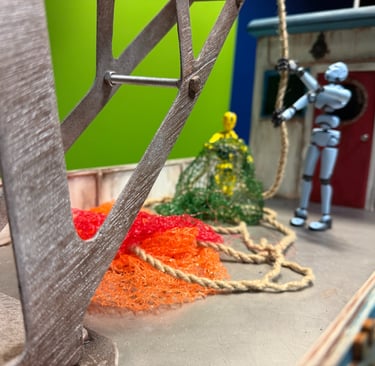
Fig. 1. Crane fixed in place
Fig. 2. Reference image of a Victorian dockside crane used to inform prop design (Bentleys London, no date).
Fig. 3. Crane design for laser cutter
Fig. 4. Crane design getting laser cut
Fig. 5. Crane's first laser cut in comparison to the final crane
Fig. 6. Crane assembly using nuts and bolts
Fig. 6. Crane attached to boat
Fig. Surface aging at base of crane
Fig. Surface aging top view of crane
Business address: Voice of Drew, Carlisle, CA2 6ER | UTR: 7259771174 Copyright Drew Campbell 2024