
Building the Boat part 2
Functional Detailing and Establishing Identity
SHOT TO SCREEN
Drew Campbell
1/23/20263 min read
Building the Boat
Functional Detailing and Establishing Identity
With the primary structure complete, the boat moved into its next phase, refinement.
At this stage, the focus was not ageing or character, but functionality. The boat needed to operate as a performance space before it could become visually expressive.
Making the Door Perform
I constructed the cabin door separately rather than fixing it permanently into place.
Using a hole cutter, I created the round window opening. I then drilled holes at the top and bottom of the left-hand side of the door to insert wire pins that would function as hinges. Corresponding holes were drilled into the door frame so the door could physically open and close.
This may seem like a small detail, but it gives me flexibility in animation. If Reg needs to rush into the cabin in panic, I now have a working doorway rather than a static façade.
This stage reinforced an important principle: build for performance, not just appearance.
Refining the Deck and Cabin
Once the door mechanics were resolved, I added structural and visual refinements:
Thin foam board side supports along the deck
Window frames
Door frames
Without these additions, the surfaces looked flat and model-like. The framing elements immediately improved scale readability and gave the cabin depth.
They also catch light differentl, something I’m consciously thinking about now in relation to how the set will be lit during filming.
This stage was about strengthening the illusion of construction.
Establishing the Base Colour Palette
Before introducing ageing or texture, I unified the surface with a white wash. This toned down the raw material contrast and provided a consistent base.
Once dry, I introduced the main colour scheme:
Red for the door
Blue for the roof and window frames
Blue upper strips along the hull
White retained along the lower hull
The red door acts as a visual anchor point within the composition. In a stop motion frame, especially during fast character movement, strong colour contrast helps guide the viewer’s eye.
The blue and white combination feels traditionally maritime without becoming overly stylised. At this point, the boat still looks relatively clean — intentionally so. I wanted to establish identity before layering history onto it.
Thinking Ahead to Camera
Even during this painting stage, I was considering:
How colour contrast would read under directional lighting
How the red door would frame Reg’s movement
How the blue roof would break up the silhouette against sky
Because I only ever film from the rear of the boat, I am constantly designing for that single viewpoint. This awareness is something that has developed through this build process, I’m no longer making an object, I’m designing a set for a camera.
Reflection
Part 2 has been about preparing the boat for animation rather than ageing it for realism.
By resolving the door mechanics, refining edges and establishing colour logic, the boat now has a clear identity and performance readiness. It is structurally complete and visually coherent — but not yet weathered by time.
In the context of AVFX5001 - Shot to Screen, this stage demonstrates considered asset development and production planning. The boat is no longer just built, it is prepared.
Next, I move into weathering, material history and final worldbuilding elements that will shift it from constructed set to believable working vessel.
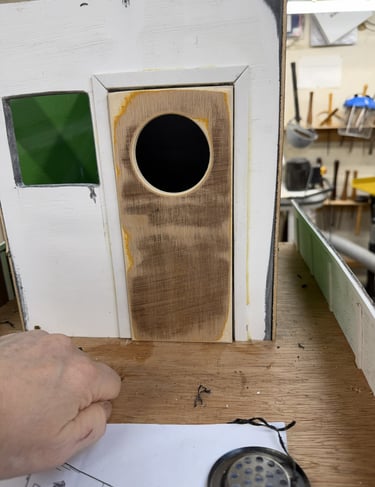
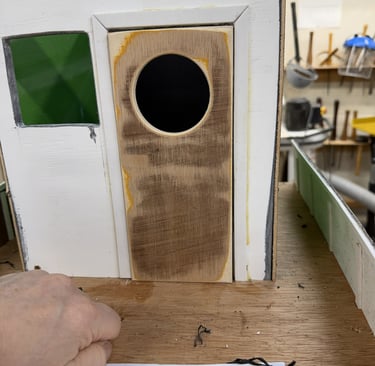
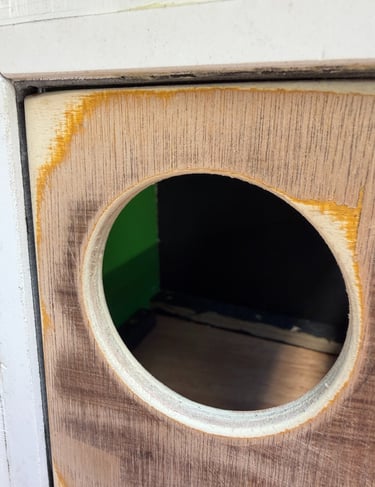
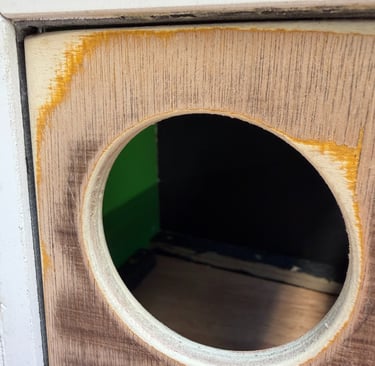
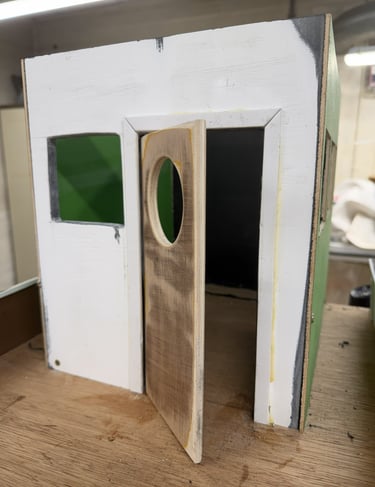
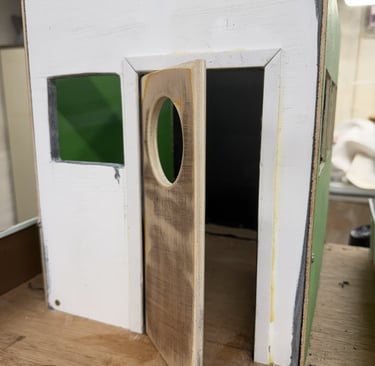
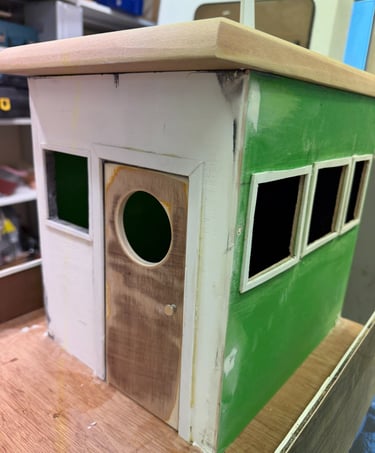
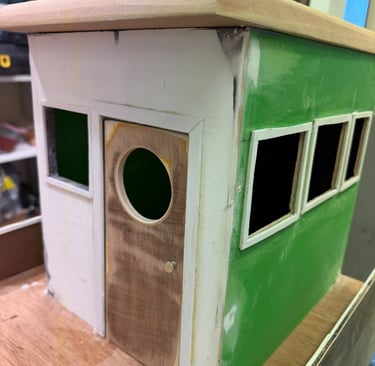
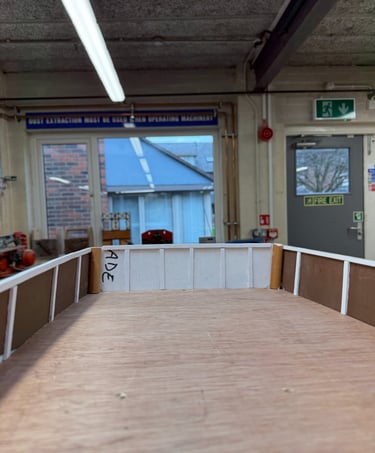
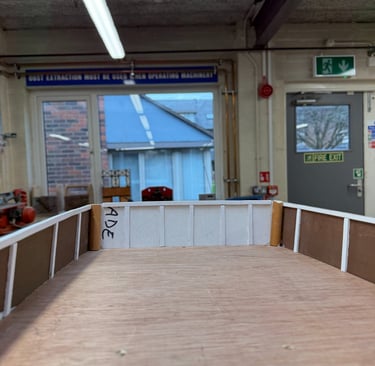
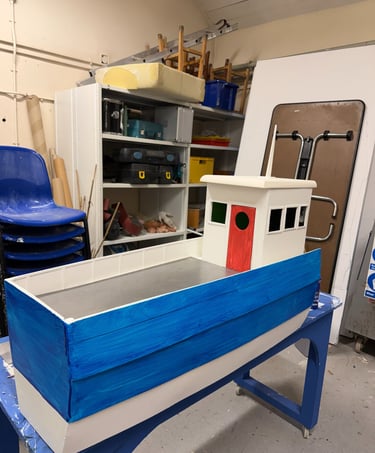
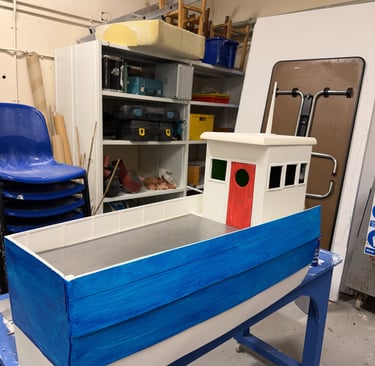
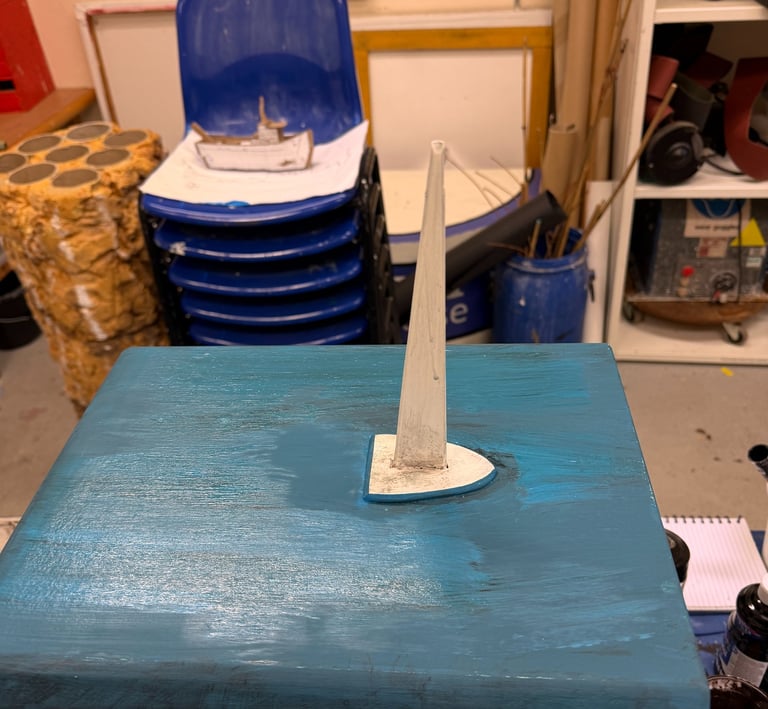
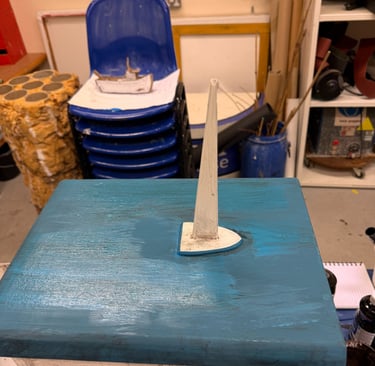
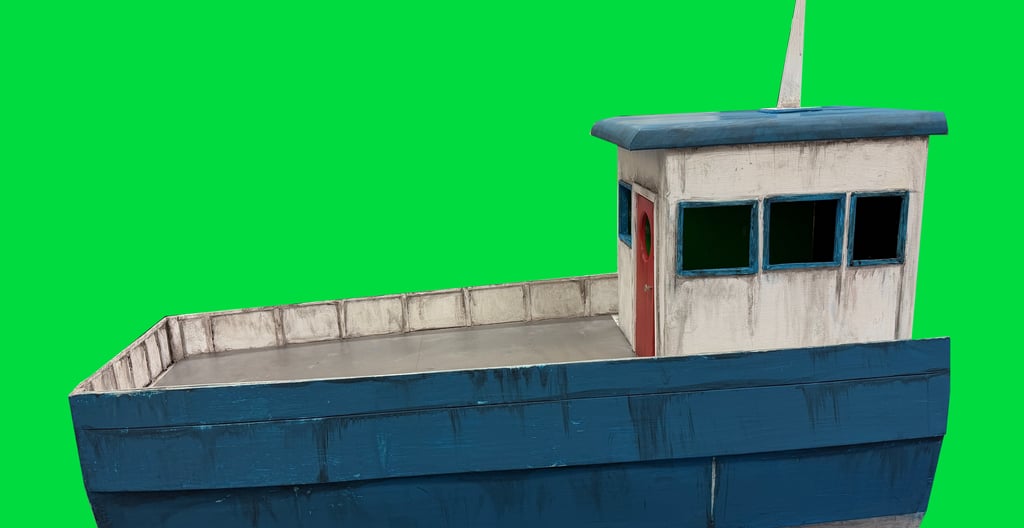
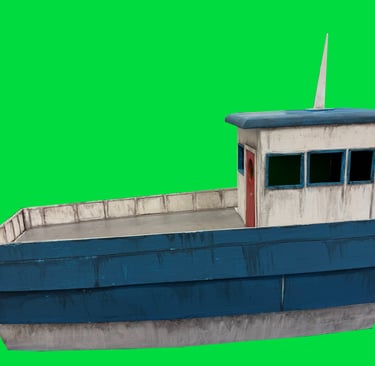
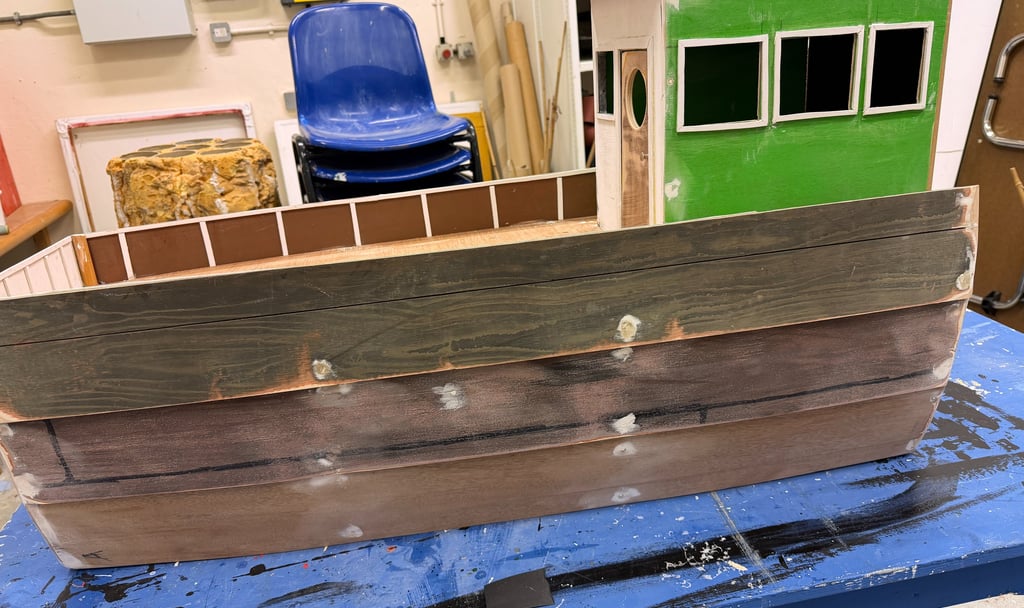
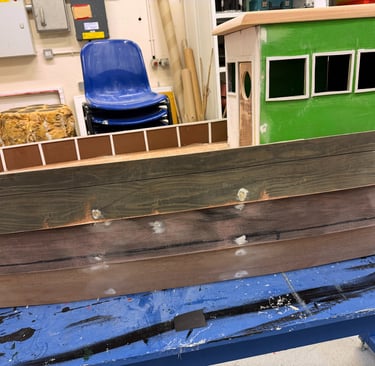
Fig. 1. Boat ready to paint (Campbell, 2026).
Fig. 2. Cabin and door (Campbell, 2026).
Fig. 3. Cabin door (Campbell, 2026).
Fig. 4. Cabin door open (Campbell, 2026).
Fig. 5. Cabin window and door frames (Campbell, 2026).
Fig. 6. Deck detailing (Campbell, 2026).
Fig. 7. Boat first base coats (Campbell, 2026).
Fig. 8. Cabin roof (Campbell, 2026).
Fig. 9. Boat and green screen mock up (Campbell, 2026).
Business address: Voice of Drew, Carlisle, CA2 6ER | UTR: 7259771174 Copyright Drew Campbell 2024