
Asset Lists
Identifying the Key Assets
SHOT TO SCREEN
Drew Campbell
10/13/20251 min read
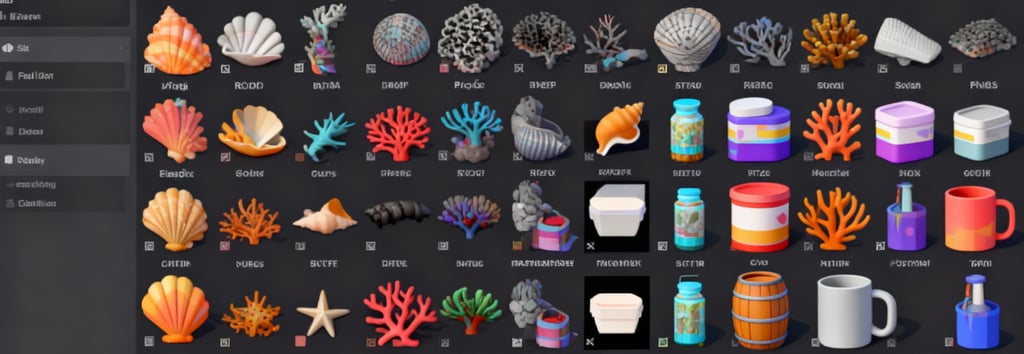
Asset Lists for Film and Animation
Digital Asset Management helps you maintain control over your digital files by preventing loss or accidental changes. The key is establishing organised folder structures, using consistent naming systems, and actively monitoring your files to track their contents and any modifications they undergo. (Jacobsen, Schlenker, Edwards, 2005)
Whether you're working with stop motion puppets or digital environments, managing assets effectively is the backbone of any successful production. Asset lists bridge the gap between your physical and digital worlds, creating a single source of truth for everyone involved. (Anthropic, 2025)
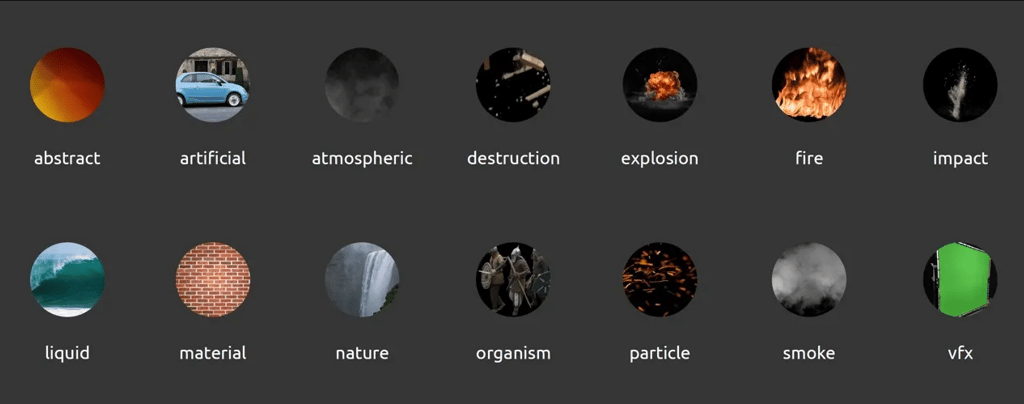
For stop motion work, an asset list documents every physical element: puppet specifications, materials, replacement parts, and their storage locations, preventing last-minute scrambles for a missing eyeball or costume piece mid-shoot. Similarly, digital assets—such as 3D models in Blender, textures, particle systems in Unreal Engine, and compositing elements in After Effects require systematic tracking to maintain consistency and streamline the workflow.
The best practice is to create a standardised naming convention before production begins. Use clear hierarchies, such as "Character_Puppet_Head_v02" or "Environment_Set_Dressing_Table_01." This makes assets instantly recognisable and searchable across software.
Categorise your list by asset type, storage location (physical or digital folder), version numbers, and status (ready, in progress, needs revision). Include metadata like file size, creation date, and dependencies—especially important when a single character rig in Blender feeds into both real-time Unreal previsualization and final After Effects compositing.
A well-maintained asset list saves hours during production and ensures nothing falls through the cracks. It's not glamorous work, but it's essential.
References
Anthropic. (2025). Claude.ai. https://claude.ai/
Jacobsen, J., Schlenker, T. and Edwards, L. (2005) Implementing a digital asset management system : for animation, computer games, and web development. 1st edition. Burlington, MA ; Elsevier Focal Press. Available at: https://doi.org/10.4324/9780080456430.
Business address: Voice of Drew, Carlisle, CA2 6ER | UTR: 7259771174 Copyright Drew Campbell 2024